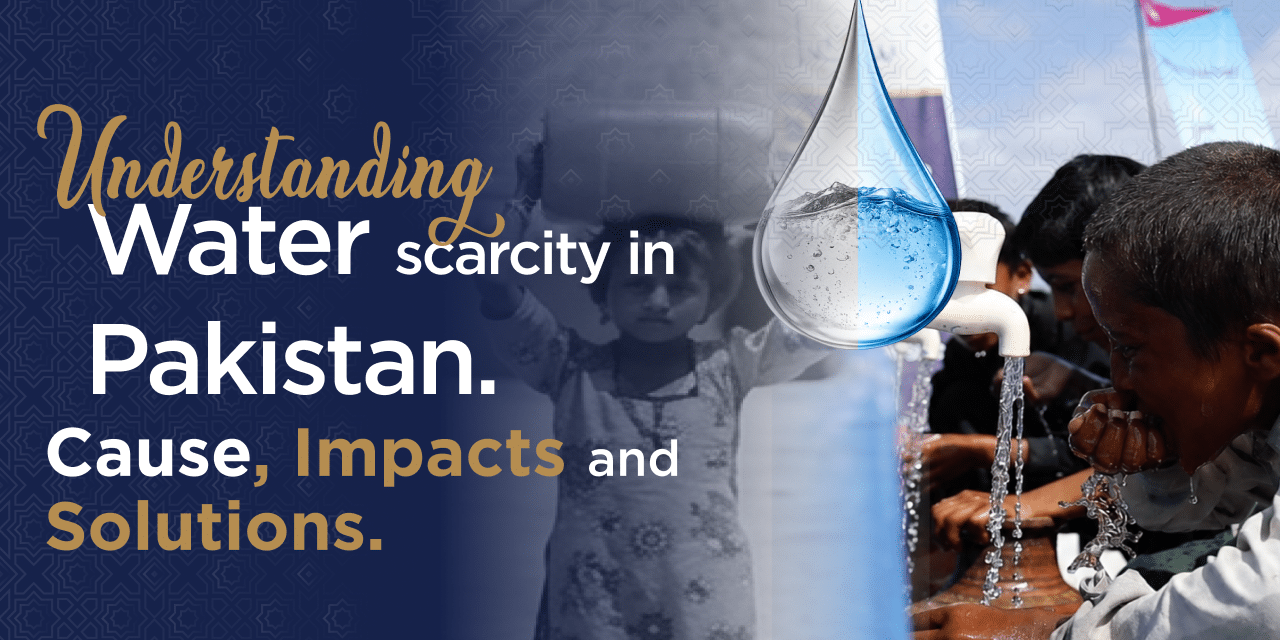
Water scarcity is no longer a distant problem-it affects millions of people every day. In some countries, such as Africa and South Asia, individuals are not able to get safe and reliable water. Clean Water Projects in Pakistan, population growth, climate change, and poor water management are putting immense pressure on freshwater resources. The effects of water scarcity show up everywhere, from homes and farms to industries and health systems.
In rural areas, farmers wake up early to check canals and tube wells, while city families often store water in case supply runs low. These daily adaptations reveal just how deeply water scarcity shapes life.
What Is Water Scarcity?
Water scarcity happens when the demand for freshwater exceeds what’s available, or when water is too polluted to use safely. It may be seasonal, induced by drought, or long-term, which may be brought about by overuse and poor management. The impacts are not limited to inconvenience; the implications of water scarcity extend to food production, health, the economy, and social stability. Poor irrigation, groundwater depletion, and contamination all make the crisis worse.
Global Causes of Water Scarcity
Climate Change and Shifting Water Cycles
Climate change alters when, where, and how much water is available. Rising temperatures increase evaporation, glaciers are melting faster, and rainfall is becoming unpredictable. Some regions suffer droughts, while others face floods, making water scarcity worse. Those countries, such as Pakistan, which rely on seasonal rain and snowmelt, are particularly susceptible.
Population Growth and Rising Demand
Rapid population growth strains water resources for households, farms, and industries. Cities often expand faster than infrastructure can handle, so the impact of scarcity is felt almost immediately.
Inefficient Agriculture
Approximately 70 percent of the freshwater consumed in the world is utilized in agriculture. The conventional irrigation practices are also a huge waste of water due to evaporation and runoff. Water-intensive crops such as rice and sugarcane further strain limited resources. In Punjab, this increases the impact of water scarcity on both farmers and ecosystems.
Poor infrastructure and Contamination
Water pollution may render water useless even in its presence. Industrial wastes, sewage, and farm runoffs pollute rivers and wells. Poor storage facilities and leaky pipes also reduce the amount of water that can be used. Even in areas with plenty of water, these issues make scarcity worse.
Declining Ecosystems
The natural water storage and wetlands are also disappearing within a short time. These ecosystems naturally filter and store water, helping sustain rivers and groundwater. Their loss contributes to water scarcity and worsens global water stress.
Effects and Consequences of Water Scarcity
Water scarcity affects the environment, health, food security, and the economy, and the consequences of water scarcity are becoming more visible each year.
Health
Lack of access to clean water increases water-borne diseases such as cholera, typhoid, and hepatitis. The most vulnerable group of children and the aged are at risk. The clinics in rural Punjab show a higher number of cases of disease in dry months.
Food Security
A little amount of water will decrease crop production and cause damage to livestock. The farmers lose their earnings, food prices increase, and the communities experience grave food insecurity.
Economic Implications
The industries that require water experience decreased production and increased costs. Long-term shortages may also result in loss of jobs and migration.
Social Implications
Conflicts may result because of competition over limited water. Unreliable supply is experienced in schools, hospitals, and households.
Water Scarcity in Pakistan
Pakistan is experiencing water stress. Increase in population, change of climatic conditions, and weak governance have significantly decreased water availability per capita. The actual effects have been witnessed in shrinking reservoirs, urban shortages, and declining crop yields.
Stress on the Indus Basin
The Indus River is the major source of water in Pakistan. This basin is over-exploited, unbalanced, and suffering due to climate change. During dry months, farmers and cities often get less water than needed, highlighting the impact of water crisis on national security and long-term stability.
Water Scarcity in Punjab
Punjab is the agricultural centre of Pakistan that is under severe water stress. Groundwater has been overexploited, flood irrigation is squandered, and crops such as rice and sugarcane are also additional water consumers. Cities such as Lahore and Faisalabad are experiencing the problem of population growth, pollution, and decreased quality of water. The farmers do change the planting dates according to the availability of water, and the villages depend on the storage of the rain monsoons.
NGO and Community Response
Across many communities, people are taking practical steps such as rainwater harvesting, building storage tanks, and adopting simple water-saving habits to cope with shortages.
Quba Foundation works directly with underserved communities by installing hand pumps and wells, supporting community-managed water systems, and spreading awareness about safe water use. Through these efforts, families gain access to cleaner water sources and reduce their dependence on contaminated supplies, creating long-term improvement in local water management.
How You Can Help
Governments cannot solve water scarcity alone. You can join by contributing either through donation to Support clean water projects, volunteering, or sponsoring wells and filtration systems via non-governmental organizations such as Quba Foundation. Do not leak, reduce the use of water unnecessarily, promote the use of rainwater, and train people on the importance of conserving water. Little efforts compounded at the community level can be of great help.
Conclusion
Water scarcity in Pakistan and Punjab already impacts agriculture, health, industry, and daily life. Some of the consequences include economic pressure, food insecurity and social strains, which clearly show the effects of water crisis across communities. Through responsible water use, sustainable farming, infrastructure investment, and community-led initiatives, the effects of water scarcity can be mitigated. Addressing these issues now is crucial to ensure water, health, and stability for future generations through Install a hand pump.
Frequently Asked Questions
FAQ's
These are effects such as decreased crop production, poor health of the population, household and industrial economic strains.
The major effects on food security are low harvests, stressed animals, and increased food prices.
Among the major effects are a depletion in groundwater, inefficient irrigation, and broken urban and rural water supplies.
The lack of water may result in conflict over the accessibility of water, unequal allocation of water, and inter-regional tension.
Through conservation of water, community management of water systems, and conducting awareness programs.