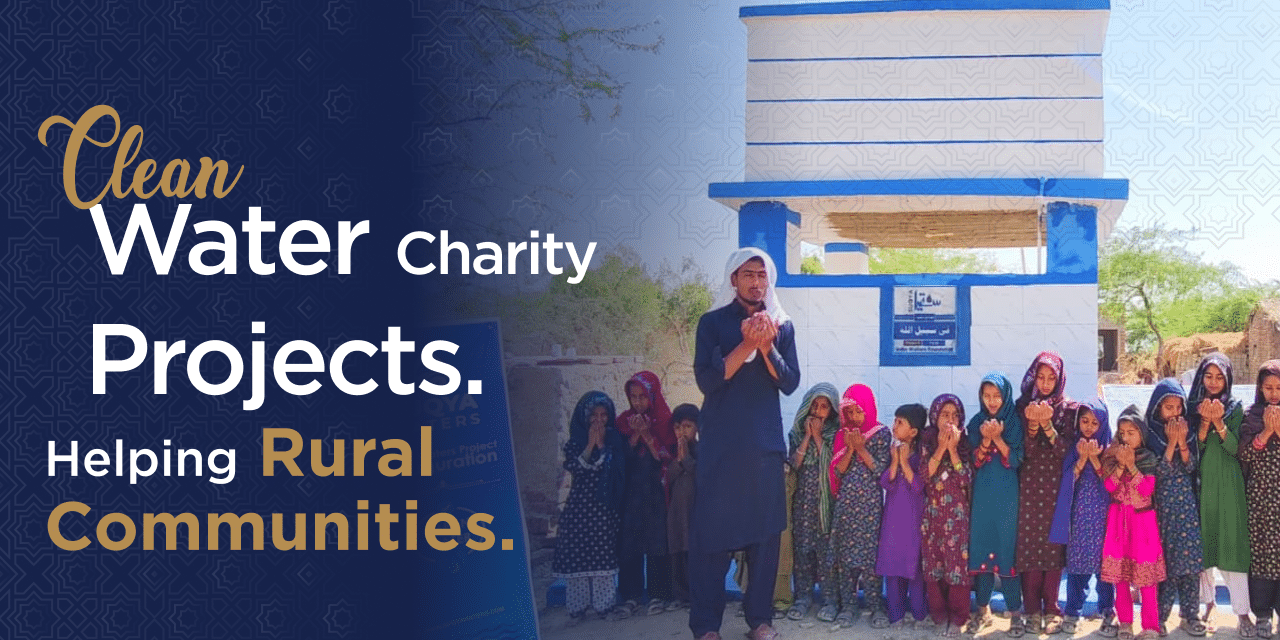
Having nothing but mud and filth to drink is the daily reality for far too many people living in the dry, dusty villages where the heat never lets up. It is a total disaster for the health of these families. Clean water projects in rural communities are changing that reality.
But through dedicated clean water projects in Pakistan, the situation is finally starting to improve as new pumps and deep bores are installed to provide relief. This work matters in the middle of nowhere, where mothers must still scoop from stagnant, green ponds just to keep their babies alive during the hottest months of the year. It is a brutal way to live that should not be tolerated today.
That is exactly why continuing these initiatives is the only way to ensure that remote families have a real future and basic comfort. By addressing the crisis at its source, these programs are creating a path to healthier lives, freeing people from constant stomach illnesses and constant medical expenses. The Quba Foundation is out there doing the heavy lifting with the Suqya Water Project, one of the most impactful clean water initiatives in rural areas. It is about basic human rights and ensuring the most vulnerable are not left to suffer in silence.
Getting a working well is the very first step to changing everything for good, as it frees up time for children to attend school and for parents to work their land without being weighed down by sickness. This is not just about a pipe in the dirt; it is about building a foundation for a life worth living, where a cool glass of water is not a luxury you have to walk five miles to find under a burning sun.
How Are Clean Water Projects Changing Villages in Pakistan
Setting up these clean water projects is a gritty, tough job that depends on knowing exactly what is happening deep under the dirt and rock layers. In the shifting sands of places like Tharparkar, the water is hiding so far down that a regular shovel or a shallow hand pump will never even touch it. For ages, people were stuck using shallow holes that just dried up and turned to dust the second the summer sun got hot.
Now, new setups are changing the entire game by using rural clean water systems that include filters and big storage tanks that actually work to keep the supply steady, even when the rain stops for months. These clean water projects ensure that every household has access to safe drinking water year-round. By putting in gear that cleans the liquid right where it comes out of the earth, these programs stop the spread of infection and let a village finally grow into something better. It is about using tough metal pipes that won’t rust and checking the minerals in the soil so nobody gets poisoned by arsenic or salt.
Health & Community Impact
When the supply is right there in the middle of the village, life gets a whole lot easier for everyone involved. You see children who used to be thin and sickly starting to put on weight and play again, because they aren’t losing all their nutrients to dirty water.
The work is slow and it is hard, involving heavy machinery that has to be hauled over broken roads, but the result is a well that can serve hundreds of people for an entire lifetime. It requires a lot of technical skill to map out where the aquifers are and how to reach them without hitting saltwater layers that would ruin the whole effort. Every successful well is a victory against the desert and a way to make sure rural communities have access to safe drinking water.
How Do Water Charity Projects Work
Community Training & Ownership
The real win for these water charity initiatives is not just the pipes and the cement. The success of clean water projects depends equally on training locals to maintain them over time. You cannot just drop a pump and disappear into the night. That helps nobody in the long run because the first time a bolt shakes loose, the whole thing becomes a useless piece of junk in the sand.
Maintenance Teams & Sustainability
The smart way to do it is to sit down with the elders and the young men of the village and show them exactly how to handle the repairs. By forming small teams through the Quba Foundation that look after the gear and keep the area around the pump tidy, these groups make sure the water keeps flowing year after year. When a village feels like they actually own the well, it lasts for years instead of breaking in a single week.
This way of doing things puts the power back into the hands of the families who use the water, so they do not have to beg for a mechanic to travel from the city every time a handle gets a bit loose. It builds a sense of pride in the community to know they are looking after their own most precious resource.
Water Management & Usage
These committees also help manage the use of the water, making sure there is enough for the animals and the crops without wasting a single drop. It is a full system of management that ensures the donation is not just a temporary fix, but a permanent change for the better. The education part of the mission is just as important as the drilling part because a well that is looked after is a well that will still be pumping for the grandchildren of the people who saw it installed today.
Which NGOs Are Providing Clean Drinking Water in Pakistan
Reaching the Forgotten Villages in Pakistan
The way aid works is changing, with organizations providing rural water aid that actually reaches the tiny, forgotten spots on the map that everyone else ignored for decades. These groups are the only lifeline for places that the big government pipelines never reached and probably never will. By doing the hard miles of checking the ground and talking to the people who live there, the Quba Foundation makes sure every single hole is drilled in the exact spot where it will do the best for the greatest number of households.
Beyond Water: Hygiene and Education
It is not just about the water coming out of the tap, either. They give out soap and teach folks how to keep germs away from the buckets they use at home. These groups act as the essential link between people who want to help and the families on the ground who are struggling, making sure every rupee has a real, tangible impact on safe water access for rural communities. Without this kind of direct action, these villages would remain trapped in a cycle of poverty and thirst that is impossible to escape on your own.
Overcoming Logistical Challenges
The logistics of these missions are a nightmare, often involving moving tons of equipment across riverbeds and through mountain passes where there are no real roads. But the NGOs stay until the job is done because they know that without that well, the village might not survive another dry decade.
Commitment to Marginalized Communities
It is a commitment to the most marginalized people who have been left to fend for themselves for too long. By bringing in outside expertise and funding, these organizations level the playing field and give remote villages access to clean drinking water
Why Are Solar Water Pump Charity Projects Growing in Pakistan
Harnessing Sunlight for Water Access
One of the smartest moves lately is the solar water pump charity initiative because it uses the one thing the desert has plenty of, which is burning sunlight. In spots where the electric wires do not reach and where fuel for engines is too expensive to buy, the sun is the only power source you can actually count on every day.
High-Capacity Solar Systems for Villages
These systems use big glass panels to run motors that suck water from way underground and fill up massive tanks that sit high up on towers. Modern solar setups under the Suqya Water Project can handle thirty families at a time, ensuring safe drinking water for rural households. This means women and young kids are not breaking their backs on heavy hand pumps for half the day just to get enough for a bath or a meal.
Cost-Effective and Sustainable Water Solutions
The upkeep is incredibly cheap because there are no moving parts in the engine to break down every month, and the power is free from the sky, which makes it the best way to get a steady flow in the hottest regions. When you do not have to pay for gas or oil, the clean water supply remains sustainable for the community.
Transforming Village Life with Quiet, Clean Water
The solar panels are tough and built to handle the dust and the heat, providing a high-tech solution to an ancient problem. It changes the rhythm of the village entirely, providing a reliable source of clean water in remote areas. Instead of the sound of a noisy, smoking diesel engine, you just have the quiet sound of water flowing into the tanks while the sun shines. It is a clean and peaceful way to bring life to the most difficult environments on earth.
Why Are Deep Water Well Projects Important
Accessing Deep, Clean Water
As the ground gets drier and the old shallow springs fail, the drilling teams are using massive rigs to punch through the rock to the deep layers of the earth. These water well projects are the only way to reach the clean water that is protected from the filth and the waste on the top of the soil.
Safe and Durable Construction
While the old shallow pits get ruined by farm chemicals or cow waste, these deep bores stay cool and safe for everyone to drink. The builders line the hole with strong pipe and specialized casing so it does not collapse under the massive weight of the earth. It is a permanent fix that handles the droughts that used to kill off the goats and cows that people depend on for their food.
Overcoming Tough Terrain
This work is a huge deal in the rocky hills and the hard ground of the north, where you could never hope to dig a hole by hand, no matter how hard you tried. It takes massive pressure and diamond-tipped bits to get through the stone to the water below.
Reliable Water Supply for Communities
Once that vein of water is tapped, it provides a flow that is cold and pure, far better than anything the people have tasted in their lives. These wells are capped off with heavy duty pumps that can take the abuse of being used by hundreds of people every single day.
Focus on Quality and Safety
The construction has to be perfect because if the seal at the top fails, the whole well can get contaminated. That is why the technical side of the project is so focused on quality control and using the best materials available.
How Do Safe Drinking Water Projects Protect Communities
At the end of the day, safe drinking water projects are about making sure kids do not die from a bad drink. Dirty water is the main reason why children in the countryside get so weak and lose their lives to diseases that could have been prevented.
By giving people a filtered source, these projects take the weight off the tiny local clinics that have no medicine and no doctors to spare. When the water is clean, the fever and the pain go away fast and stay away. This means kids can stay in school and learn a trade, and dads can go out and farm their land instead of sitting by a hospital bed in the city.
This is the real reward for all the hard work and the long drives. It stops the cycle of being poor and sick that has trapped people for way too many generations. The health of a village is built on its water supply, and if that supply is poisoned, nothing else matters.
You can build a school or a road, but if the people are too sick to use them, it doesn’t do much good. That is why these water projects come first in the order of development. They provide the strength and the health that everything else is built on.
Seeing a village where the children have clear eyes and plenty of energy is the best proof that the project has worked. It changes the very feel of the community, turning a place of struggle into a place where people can actually look forward to tomorrow.
How Do Charity Organizations Plan Water Projects in Pakistan
Charity organizations water projects use modern maps and sensors to figure out the best spot to hit the water before they even start the engine of the truck. This smart way of working means we do not waste the money of the donors on holes that come up dry and useless.
These groups work in batches now so they can save on travel and logistics. When one town gets a well, the next one over is already being looked at and tested for the next round of drilling. The plan is to eventually make whole areas where nobody has to walk more than a few minutes for a drink, no matter which village they live in.
By putting their heads together and sharing what they know, the Quba Foundation is fixing this mess on a scale that actually changes the map of the region. It is about being efficient and making sure every bit of help goes as far as it possibly can.
They track the progress of every well and go back to check on them months later to make sure the water is still safe and the pump is still solid. This data helps them plan better for the next site and learn which designs work best in different kinds of soil. It is a constant process of learning and getting better at the job so that the success rate stays as high as possible.
Why Are Water Aid Projects Important During Climate Crises
When a massive flood comes, or the ground turns to cracked clay during a heatwave, water aid projects Pakistan provide lifesaving support and keep people alive right in that moment. Whether it is a truck full of tanks or a small filter kit for a family, quick help is a huge part of the humanitarian job.
But the main goal is to stop just reacting to disasters and start building things that last through the bad times. By putting in tough, deep wells now, we make sure that when the next heatwave hits, the village is already ready for it and doesn’t have to flee their homes. It is about thinking ahead and being proactive.
Giving someone a clean cup today is good, but giving them a well stops a total nightmare from happening tomorrow. These projects are built to be climate-resilient, meaning they are designed to keep working even when the weather gets extreme.
The storage tanks are built high and strong so they don’t get washed away in a flood, and the wells are deep enough that they won’t go dry even in a multi-year drought. This is the difference between a temporary band-aid and a real solution that changes the history of a village. It gives the people the security they need to stay on their land and build a life instead of becoming refugees because they ran out of water.
The Future of Clean Water Projects
Fixing this problem is a long haul, and it won’t happen overnight, but the progress is real, and you can see it in the faces of the people. By sticking with these missions, we are finally treating water like the basic right it is supposed to be for every human being.
From the high-tech solar gear to the deep, rocky holes dug by the Quba Foundation, we are proving that being thirsty is not a permanent fate that people have to just accept. Through the sweat of the local teams and the help of kind people everywhere, a better and more stable future is finally starting to show up in the rural areas.
We have to keep at it until every tap in every village runs clear and cold, and nobody has to get sick just because they were thirsty. This work will be remembered for a long time by the families who no longer have to worry about where their next drink is coming from.
It is the kind of change that ripples out through a community, improving everything from the crops in the field to the grades of the students in the classroom. As long as there is a need, the work will continue, driven by the belief that every person deserves a life of dignity and health, starting with a simple glass of clean water.
Frequently Asked Questions
FAQ's
The majority of the communities use unsafe water sources, causing sickness and denying children chances to flourish.
These projects dig deep wells, install sturdy pumps, and train locals to maintain them, ensuring long-term access to safe water.
The whole society gains. Children, parents, and even livestock gain access to clean and safe water.
Yes. Solar pumps use the power of the sun, require very little maintenance, and provide a continuous water supply even in places without electricity.
Donations have a long-lasting influence as all wells are regularly maintained and monitored.
Yes. The wells and solar systems are designed so that they can operate even during severe weather conditions.