The water crisis in Pakistan has shifted from a looming threat to an immediate national emergency that requires urgent intervention. With groundwater levels plummeting and traditional sources becoming increasingly contaminated, the role of humanitarian organizations has become a lifeline for millions. Today, many NGOs solving the water crisis in Pakistan are moving beyond temporary fixes and implementing long-term infrastructure projects that address both scarcity and safety. By integrating advanced technology like solar power and heavy-duty filtration, these NGOs addressing the water crisis in Pakistan are transforming how vulnerable communities access this essential resource. Groups like the Quba Foundation, Alkhidmat, and the Paani Project are leading this change by building a future where safe water is a right, not a privilege.
Why Clean Water NGOs in Pakistan Are Upgrading Hand Pumps
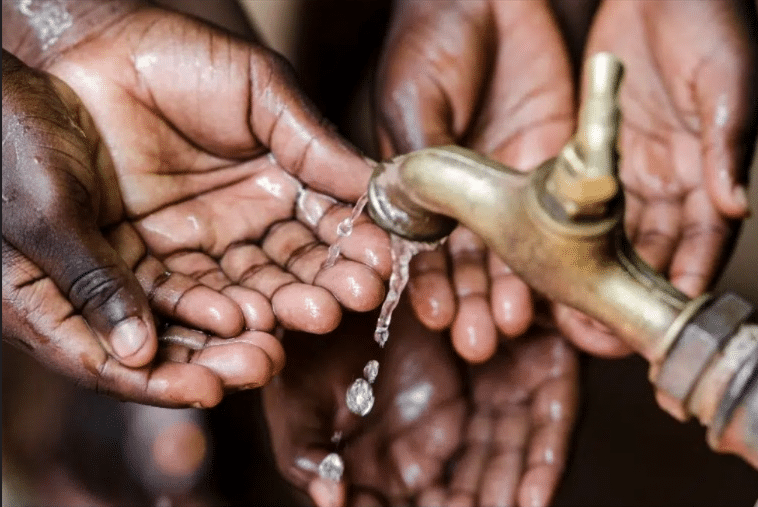
For a long time, the standard fix for a thirsty village was a basic hand pump. You see them everywhere, but half of them are rusted or dry. The reality is that the water table in places like South Punjab and Interior Sindh has dropped so low that these shallow wells simply can’t reach it anymore. These clean water NGOs in Pakistan are drilling down 80 to 100 meters to access aquifers that are still full and uncontaminated.
By using solar power, these stations can pump water all day without costing the village a single rupee in electricity bills. It is a massive change. Instead of a child spending their whole morning pumping a handle for one bucket, a solar tap provides a steady flow for the whole neighborhood. This shift toward automation is how clean water NGOs in Pakistan are keeping up with the demand in a country where the sun is always shining but the power grid is unreliable.
How Water Aid Organizations in Pakistan Are Improving Access
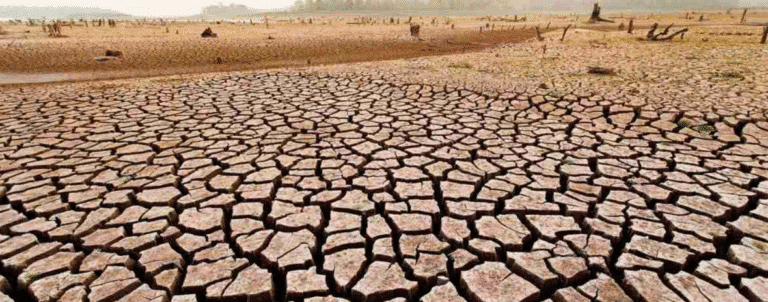
If you head out to the dry stretches of Tharparkar or rural Balochistan, you’ll see women walking for miles under a brutal sun. They are often carrying heavy clay pots filled with water that is muddy or warm. Water aid organizations in Pakistan are working to end this daily struggle by bringing the water source directly into the heart of these settlements. By building communal reservoirs and central distribution points, they are effectively giving hours of life back to these families.
When a village gets its own permanent water station, you see an immediate jump in school attendance for young girls. They aren’t stuck assisting with water collection anymore. Water aid organizations in Pakistan are proving that a well is more than just a pipe in the ground; it is a tool for education and social dignity in places that have been ignored for far too long.
Breaking the Failure Cycle Through Clean Water Initiatives in Pakistan
We have all seen it – a charity well that breaks after a few months because no one in the village knew how to fix a loose bolt. Modern clean water initiatives Pakistan are stopping that cycle of waste by making the community the actual owners of the project. Instead of just dropping off equipment and leaving, these clean water initiatives Pakistan train residents to be the mechanics.
They form committees that look after the solar panels and keep the taps clean. This means if a pipe leaks, it gets fixed the same day. This sustainable model ensures that a donation actually lasts for fifteen or twenty years instead of just one season. It turns a one-time gift into a permanent asset that the village is proud to protect.
The Impact of NGOs Helping Rural Communities in Pakistan
The numbers on waterborne illness in Pakistan are tough to read, but there is genuine hope in the new data coming from the field. The work done by NGOs helping rural communities Pakistan is saving lives simply by keeping contaminants out of the drinking supply. By setting up these filtration plants, they are acting as a first line of defense for the local hospitals.
When a community gets a clean tap, the local clinics usually report a massive drop in diarrhea and typhoid cases almost overnight. They are helping communities save lives while allowing parents to stay at work and kids to grow up without the constant threat of preventable infections.
Transparency in Charity Water Projects in Pakistan
For many people sending money from abroad, supporting charity water projects Pakistan is a way to give back to their roots. It is often a form of Sadaqah Jariyah—a charity that keeps on giving. The idea is simple: as long as the water flows, the reward continues for the donor. Groups make this easy by showing exactly where the money goes.
These charity water projects Pakistan provide donors with photos and GPS markers, so they can see the very tap their money funded. This transparency is why the Pakistani diaspora keeps trusting these groups year after year. They can see the impact in the smiles of the people getting a fresh glass of water for the first time in their lives.
Future-Proofing with NGOs Providing Clean Drinking Water in Pakistan
Climate change is making everything harder for the region. Rainfall is unpredictable and the heatwaves are getting worse, which means the role of NGOs providing clean drinking water Pakistan is only getting more vital. They aren’t just digging wells anymore; they are looking at how to save rainwater and recharge the earth. By thinking ahead, NGOs providing clean drinking water in Pakistan are helping villages prepare for the next big drought. Without that kind of planning, many villages could face serious water shortages in the next decade.
Solving Urban Water Challenges with Water Charity Organizations in Pakistan
It isn’t just the villages that are thirsty. Cities like Karachi are struggling with a “water mafia” and pipes that are decades old. In these spots, water charity organizations in Pakistan are stepping in to fix the leaks and set up filtration points in the slums. These water charity organizations Pakistan are often the only ones standing between the poor and contaminated water sold at high prices.
They use heavy-duty RO plants to clean up urban groundwater that is often mixed with sewage or industrial waste. It is a tough technical challenge, but it is the only way to ensure the urban poor are not left behind. By providing low-cost or free filtered water, these groups are protecting millions from urban epidemics.
The Human Element of Engineering
Technology is great, but it fails if people don’t use it right. That’s why these groups now run hygiene workshops alongside the engineering work. It isn’t just about the solar pump. It’s about teaching a mother why the storage tank needs a lid or why handwashing matters. When you combine high-tech gear with basic health education, the results stick. You get a community that isn’t just surviving, but actually thriving. This holistic approach ensures the water stays pure from the ground all the way to the cup.
Economic Freedom Through Water Security
When a village gets its own water, the local economy wakes up. Farmers spend less on medical bills for sick kids. Women save hours of time, which they often use to start small home businesses or crafts. Even the livestock stay healthier, which means more income for the family. This is the “hidden” benefit of water projects. They act as an economic engine for the rural poor. By removing the daily struggle for a single bucket of water, we unlock the human potential of thousands who were previously stuck in a cycle of poverty.
Conclusion: A collective effort for a water-secure nation
Solving this crisis isn’t the job of one person or group. It takes the engineers, the big relief networks, and the donors to make a real dent. We are entering a new era. Solar power and community training are replacing the old, broken hand pumps of the past. Every new tap is a victory. By supporting these efforts, we aren’t just building a well. We are giving a village the chance to grow, stay healthy, and live with the dignity they deserve.
Frequently Asked Questions
FAQ's
They are installing solar-powered water stations, deep wells, and filtration plants while training communities to maintain them, ensuring long-term access to clean water.
They combine technology and community ownership, using solar pumps and local committees to keep water stations functional for years.
These are donation-funded projects providing clean drinking water with full transparency, often showing donors the exact location and status of the water stations.
They implement rainwater harvesting, groundwater recharge, and drought preparedness to keep villages water-secure during heatwaves and erratic rainfall.
Yes, they fix leaking pipes, install filtration plants, and provide affordable or free clean water to urban slums.
By providing filtered water and hygiene education, they significantly reduce waterborne diseases like diarrhea and typhoid.
Reliable water saves time and medical costs, supports small businesses, keeps livestock healthy, and boosts overall income for families.