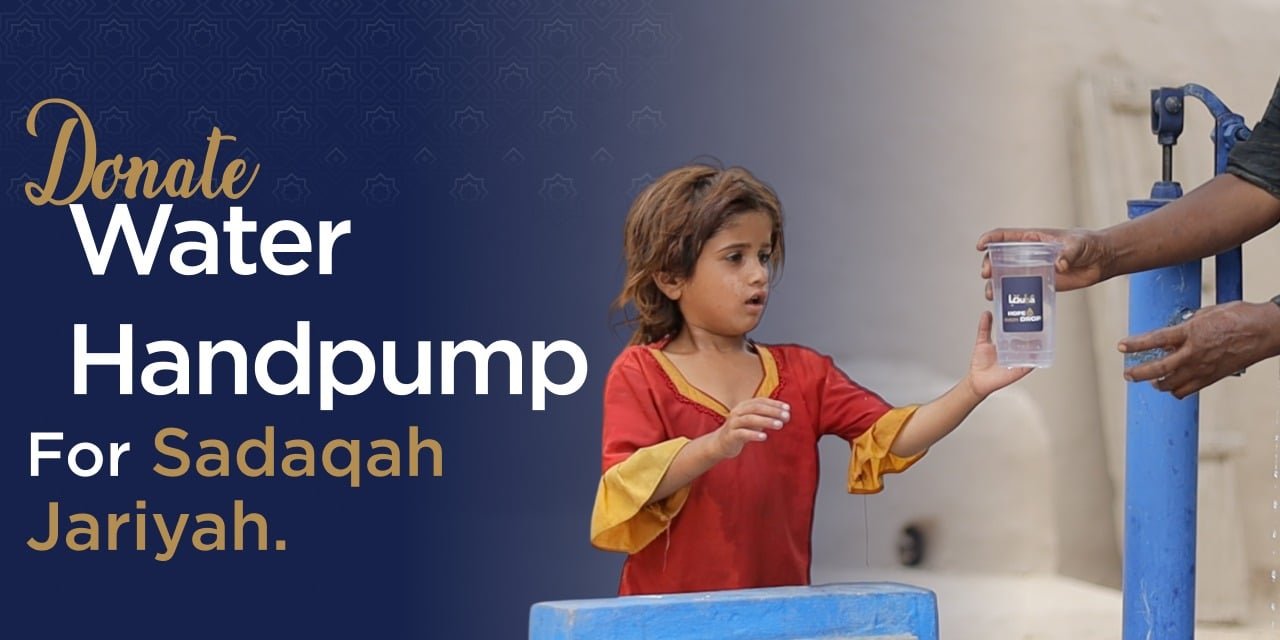
For many families, getting water is part of the day’s work. When the nearest source is far from home, people may spend hours walking to collect it and carry it back. A closer water source can make this daily task easier.
People looking to donate water pump for sadqa jariyah can help bring water closer to families. The support can reduce the time spent travelling for water.
Why is clean water important?
Water is needed for drinking, cooking, washing, cleaning, and personal hygiene. When the source is far away, families have to spend extra time collecting enough water for the day.
Water scarcity in rural villages can also affect school and work. Children may spend time helping with collection instead of studying. Adults may lose working hours, while carrying heavy containers over a long distance can be exhausting.
Access to clean water can remove some of that pressure. Safe drinking water matters too. A nearby source is not automatically suitable for drinking, so testing and treatment may be needed.
Importance of water well and hand pump charity
A well and a hand pump are different parts of a water system. The well reaches groundwater, while the pump brings water up so people can collect it.
The number of users depends on the site and available supply. A hand pump may work well for several nearby households. A shared well can serve more people when the location and water source allow it.
Water hand pump charity can therefore be planned for a smaller group or a particular settlement. A water well charity may suit a community that needs one shared source and has suitable groundwater.
Quba Foundation includes water support in its charitable work for communities with limited access to basic facilities. The type of project can be considered according to local conditions and expected users.
What does a water pump donation support?
A water pump donation can help pay for the practical work needed to create a usable source. Depending on the site, this may include drilling, equipment, installation, and testing.
Once the pump is ready, families can collect water closer to home. Children may have more time for school, while adults can get back to work or household responsibilities sooner.
Clean water donation does not always mean building a new source. Some communities already have water but need treatment. A water filtration plant charity project may make more sense where the main problem is water quality.
The contribution should match the situation for each local community served.
Why choose water for ongoing charity?
Sadaqah jariyah is generally understood as charitable giving that continues to benefit people over time. Water fits naturally into this idea because people may use the same source every day.
A sadaqah water well can serve several households or a wider community, depending on its size, location, and water supply. Some donors may choose to give in memory of a parent or loved one.
Water can support an everyday need long after the original gift.
How can a water pump change daily life?
Water collection is a repeated household task. Once the supply runs low, somebody has to make another trip. If the source is far away, that journey can take time from school, work, farming, childcare, or rest.
A pump closer to home can shorten the journey. Children may spend more time studying, while adults have more time for work, farming, and family duties.
For a household making the same trip every day, even a shorter distance can matter.
How to choose the right water charity?
Look at the project before looking only at the price. Find out where the facility will be installed, who will use it, and what the contribution covers.
For a hand pump donation Pakistan project, ask whether the location has been assessed and whether the water source will be tested. It is also worth asking who will arrange repairs if something breaks.
A trusted charitable organization in Pakistan should explain these details clearly. You should know what your contribution is intended to provide and how the facility will serve the people around it.
When is filtration more suitable than a new pump?
A new pump is not always needed. Some communities already have a water source, but the quality may not be suitable for drinking.
In that situation, treatment or filtration may be more useful than creating another source. An existing pump may also need repair if the underlying water supply is still suitable.
The solution should address the main difficulty.
How can water projects support clean drinking water?
Water needs differ between communities. Groundwater quality, distance from homes, supply, and the number of users all matter when deciding what kind of project is suitable.
Families in Pakistan may get clean drinking water from a well, hand pump, filtration system, or repairs to an existing facility.
Testing should be carried out before a new source is used for drinking. Storage and hygiene matter afterwards as well, because safe water can become contaminated through poor handling.
What makes a water project last?
Putting in a pump is not the end of the work. Regular use can wear down handles, pipes, fittings, and other parts.
Sustainable water projects need a practical plan for maintenance. People should know how to report a problem, and there should be someone responsible for arranging repairs.
Ask about future care before contributing. A working facility is far more useful than one that stops serving people because a small fault was left unattended.
FAQs
Can I donate a water pump in someone’s name?
Many charities accept contributions made in memory of a parent, relative, or loved one. If the gift is being made for someone else, ask how the name will be recorded. You can also ask whether the organisation provides confirmation, photographs, or project information after the installation.
How many people can use a hand pump?
There is no single number for every installation. A pump serving nearby homes may support several households, while a larger community facility may have more users. The capacity depends on the water supply, pump type, location, and expected demand. Check these points before installation.
Does a pump make groundwater safe to drink?
No. A pump only brings groundwater to the surface. It does not make the water safe automatically. The source should be assessed and tested before people use it for drinking. If the results show a quality problem, suitable treatment may be needed before the water can be used safely.
What can a pump contribution cover?
The cost depends on the location and work involved. A contribution may cover drilling, equipment, installation, testing, or related expenses. Before donating, ask what the stated amount includes. Some projects fund a complete installation, while others collect contributions towards a larger community water facility.
How can I choose a water charity to donate to?
Check the project location, intended users, facility type, and purpose of the contribution. Ask whether the source will be tested and who will handle repairs after installation. Review the organisation’s registration and project information too. Clear details make it easier to understand what your contribution will support.