info@qubafoundation.org

Lahore, Punjab

Author name: umairi

Gold Nisab for zakat
Blog

Gold Nisab for Zakat 2026: Gold, Silver and Zakat Calculation in Pakistan

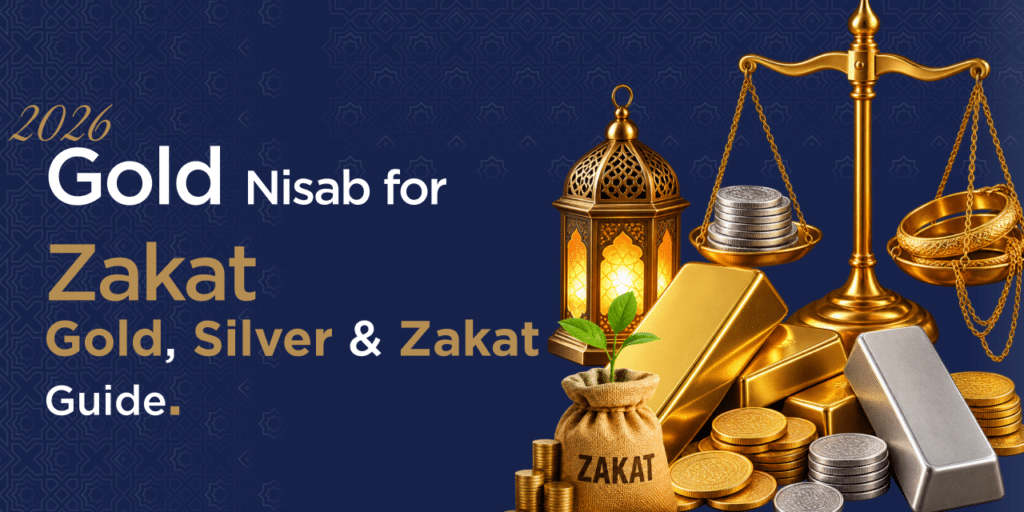
The nisab is the minimum amount of wealth a person needs to own before zakat becomes due. In Pakistan, the gold nisab for Zakat is based on 87.48 grams of gold, while the silver nisab is 612.36 grams. The amount in Pakistani rupees can change as gold and silver prices move. The Zakat nisab for 2026 is therefore not one fixed rupee amount for the entire year. What Is Nisab? Nisab is the minimum level of qualifying wealth that makes a person liable for zakat once the other conditions have been met. It is traditionally measured using gold or silver. For someone calculating zakat in Pakistan, the current market value matters more than an old rupee figure. Gold and silver prices can change during the year, so the threshold may also change. Your zakatable wealth can include cash, savings, money in bank accounts, precious metals, business stock and certain investments. Your main home, everyday clothes, furniture and other personal belongings are generally not included just because they have a monetary value. Gold Nisab for Zakat 2026 The gold nisab is 87.48 grams, or 7.5 tola. To calculate the zakat nisab gold 2026 value, multiply 87.48 by the current price of gold per gram. 87.48 × PKR 40,000 = PKR 3,499,200 Gold jewelry comes in different karats, such as 24-karat, 22-karat, and 21-karat, so the value is not always the same. The weight and karat of the gold should be checked before calculating its worth. Many women keep gold jewelry such as bangles, rings, necklaces, and earrings for years. Gold is also commonly kept as savings, especially when people buy it for long-term use. The current gold price can make a big difference when working out its value for Zakat. The value of the gold can then be added to other assets, such as cash, savings and other qualifying wealth, to work out the total amount on which Zakat is due. Zakat Nisab Silver 2026 The silver nisab is based on 612.36 grams, or 52.5 tola. Its value is found by multiplying that weight by the current price of silver. Silver is normally much cheaper than gold, so the resulting threshold is usually much lower when converted into Pakistani rupees. This can matter when your wealth is between the two thresholds. The ruling can be different depending on the Islamic school of thought. Some people use the gold standard, while others use the silver standard when working out the Nisab. The choice can affect the amount at which Zakat becomes due, so it is important to follow the method that applies to your situation. Nisab Threshold in Pakistan The nisab threshold in Pakistan can change when gold and silver prices rise or fall. Figures from earlier in the year may be different from the current amount. When checking a published figure, look at the date and the metal rate used to reach that amount. A number from several months ago may no longer give you an accurate picture. Who Has to Pay Zakat? Generally, zakat is payable by a Muslim who owns qualifying wealth at or above the nisab and meets the other requirements, including the completion of one lunar year for wealth to which hawl applies. This can include savings, cash, bank balances, precious metals, business inventory and certain investments. Money kept at home can also be included if it falls within the assets subject to zakat. The home you live in and ordinary personal possessions are generally not included. This can cover everyday clothing, furniture, household appliances and similar items used for normal living. Debts can affect the amount on which zakat is calculated, but the rules for deductions can differ. Business stock, investments, gold, and other assets may need to be checked separately. How Much Zakat Do You Pay? For many forms of zakatable wealth, the standard rate is 2.5%. For example, if your final zakatable wealth is PKR 1,000,000, the amount would be: PKR 1,000,000 × 2.5% = PKR 25,000 For PKR 100,000, Zakat at 2.5% is: PKR 100,000 × 2.5% = PKR 2,500 So, the Zakat on 1 lakh rupees is PKR 2,500, provided the applicable Nisab and other conditions are met. A person with only savings may have a simple calculation, while someone with business stock, investments, gold, and debts may have more figures to consider. Calculating Gold Zakat Gold is generally valued according to its current worth rather than the price originally paid for it. This is important when jewelry has been owned for several years, and the market price has changed. Check the weight and Karat of each item, then use the current market rate to calculate its value. For example, suppose someone has three pieces weighing 10 grams, 15 grams, and 20 grams. Together, they contain 45 grams of gold. The value of those 45 grams can then be added to the person’s other zakatable wealth. If you have several gold items with different weights or karats, a gold zakat calculator can make the calculation easier. What About Silver? Silver is measured separately when determining the applicable threshold. The traditional measurement is 612.36 grams. Its value in PKR depends on the current silver rate, so it is better to check the price around the date of your calculation rather than rely on an old figure. Silver jewelry and other silver possessions may also need to be considered, depending on their use and the Islamic ruling you follow. If you are unsure whether a particular item should be included, ask a qualified scholar. Gold or Silver Nisab? The two standards produce different monetary thresholds because they use different weights and market values. Gold is measured at 87.48 grams, while silver is measured at 612.36 grams. Since silver has a much lower price per gram, its monetary value is generally lower. This means a person’s wealth may be above the silver threshold while remaining below the gold threshold. That can affect whether someone is considered to have reached nisab. Do not choose the

rabi al awwal
Blog

Rabi-Al-Awwal Charity: Remembering Prophet Muhammad (S.A.W)

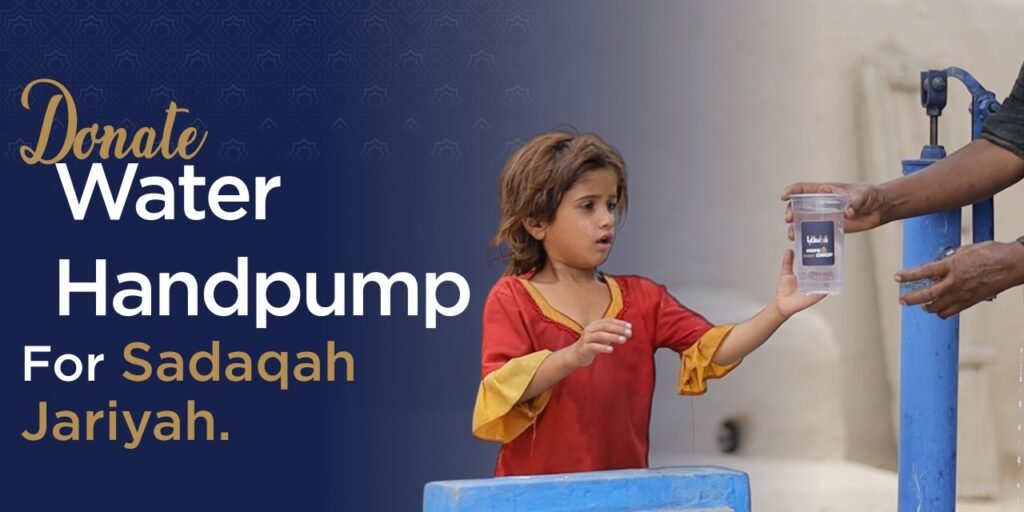
Rabi-Al-Awwal is a month many Muslims associate with the life of Prophet Muhammad (S.A.W). Families may spend more time reading the Seerah, discussing his character, sending Salawat and reciting Durood Pak. For some, it is also a good time to look at the needs of people around them and decide how they can help. The Prophet (S.A.W) was known for his kindness and generosity. He cared for people who were poor, hungry or going through hardship. His example gives Muslims plenty to think about when deciding how to treat others. Charity does not have to mean a large donation. A meal for a hungry person, groceries for a struggling household, help with medical treatment or support for a community project can all be valuable. What matters is giving sincerely and helping where there is a genuine need. What Is Rabi-Al-Awwal? Rabi-Al-Awwal is the third month of the Islamic calendar. It has a strong connection with the life of Prophet Muhammad (S.A.W), and many Muslims use the month to learn more about his Seerah and character. The Seerah covers different parts of his life, including his childhood, family, Prophethood, companions, and the challenges faced by the early Muslims. It also gives an account of how he dealt with people in times of ease and difficulty. Reading the Seerah does not have to be limited to individual study. Parents can read selected stories with their children and discuss the lessons they contain. Older children can explore the Prophet’s dealings with his companions, neighbours and people who came to him for help. Many Muslims also increase their Salawat during Rabi-Al-Awwal. Durood Pak is recited as an expression of love and respect for Prophet Muhammad (S.A.W). The month can therefore be spent in different ways. Some people focus on study and reflection. Others spend more time in worship or acts of kindness. Charity can also become part of that effort. Prophet Muhammad (S.A.W) and Generosity Prophet Muhammad’s generosity was an important part of his character. He gave to people who needed help and encouraged Muslims to look after those around them. Giving is not always about money. Sometimes a person needs food. At another time, they may need someone to listen to them, help with a task, or offer practical support. That lesson still applies today. A person who has enough to share can make someone else’s day easier without making a great display of it. A family might be struggling to buy groceries before the end of the month. An elderly person may need help getting to an appointment. Someone may be unable to pay for necessary treatment. These situations are different, but each one calls for compassion. Rabi-Al-Awwal Charity Rabi-Al-Awwal charity can take many forms. Sadaqah is voluntary and is not limited to a particular month. Muslims can give throughout the year, but Rabi-Al-Awwal may prompt someone to think more carefully about generosity and the needs of others. The amount given is also a personal matter. Not everyone has the same financial circumstances. One person may give enough to support a large project, while another may only be able to contribute a small amount. A smaller donation should not be dismissed. Several modest contributions can come together to fund something useful. Before donating, it is sensible to consider what you want your money to achieve. Food provides immediate assistance. A water facility addresses an ongoing need. Medical support can help someone receive treatment they would otherwise struggle to afford. A masjid project can provide a place for worship and learning. Zakat in Rabi-Al-Awwal Zakat and Sadaqah are both forms of giving, but they have different rules. Zakat is obligatory for Muslims who meet the required conditions, while Sadaqah is voluntary and can be given at any time. Rabi-Al-Awwal does not make it due. Its timing depends on a person’s wealth and individual circumstances. Those whose annual payment falls during this month can fulfil their obligation as usual. The month can also be a time to review your finances and plan additional giving. Alongside Zakat, Muslims may choose to give Sadaqah towards food, clean water, medical care, orphan support or other charitable causes. Feed the Hungry Through the Itaam Project Food is one of the simplest needs to understand. Everyone needs to eat, yet many families have to make difficult choices when money is short. The Itaam Project provides meals and food assistance for people facing hardship. Food charity can put basic supplies within reach of people who may otherwise have to reduce what they buy or skip meals. A food donation can also help a family cover an essential grocery expense. There is also room for personal acts of generosity. You might buy groceries for a neighbour, share a meal with someone who has little food at home, or help a family cover an essential food expense. Food does not need a complicated explanation. When someone is hungry, providing something to eat meets an immediate need. Water Donation and Hand Pump Donation Access to water can shape everyday life. Families without a nearby source may have to spend time walking to collect it, carry heavy containers home, and repeat the same journey day after day. The Suqya Water Project includes family hand pumps, community hand pumps, solar water projects, and filtration plants. Water charity can help families gain easier access to clean drinking water for their daily needs. A hand pump donation can give a household a water source close to home. Where several families share the facility, a community hand pump can reduce the distance and time involved in collecting water. The benefit goes beyond drinking. Water is needed for cooking, washing, and other basic household activities. A reliable water source can remain useful long after the installation work has been completed. People can continue drawing water from it, which is one reason water projects are often considered when people look for Sadaqah Jariyah opportunities. Orphan Charity in Pakistan Losing parents can leave a child facing difficulties that most children

Scroll to Top