info@qubafoundation.org

Lahore, Punjab

Blog

Your blog category

water charity projects in pakistan
Blog

Clean Water Charity Projects Pakistan Helping Rural Communities

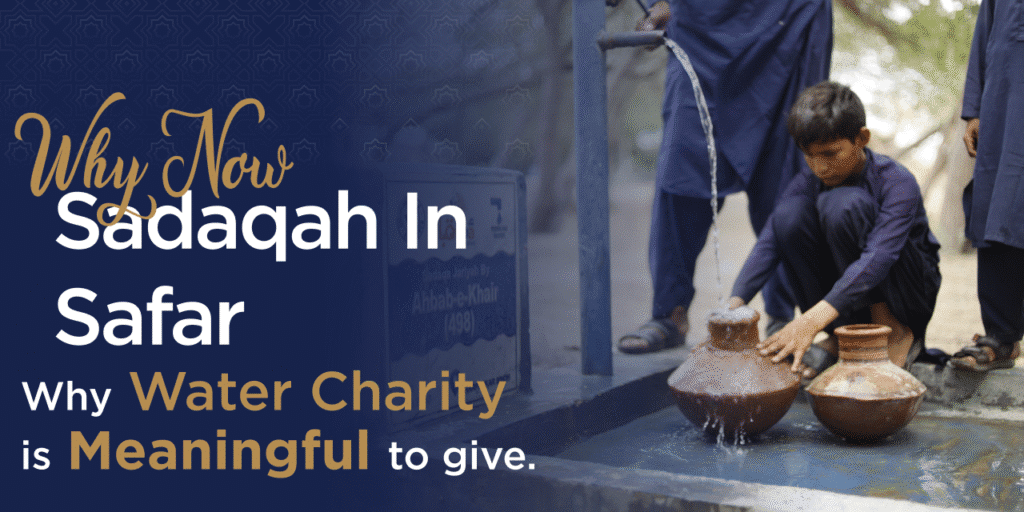
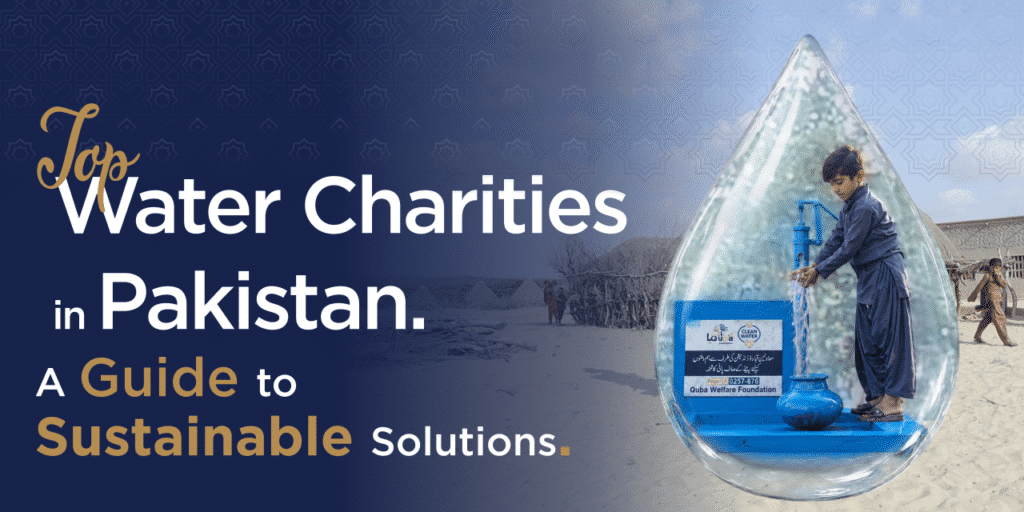
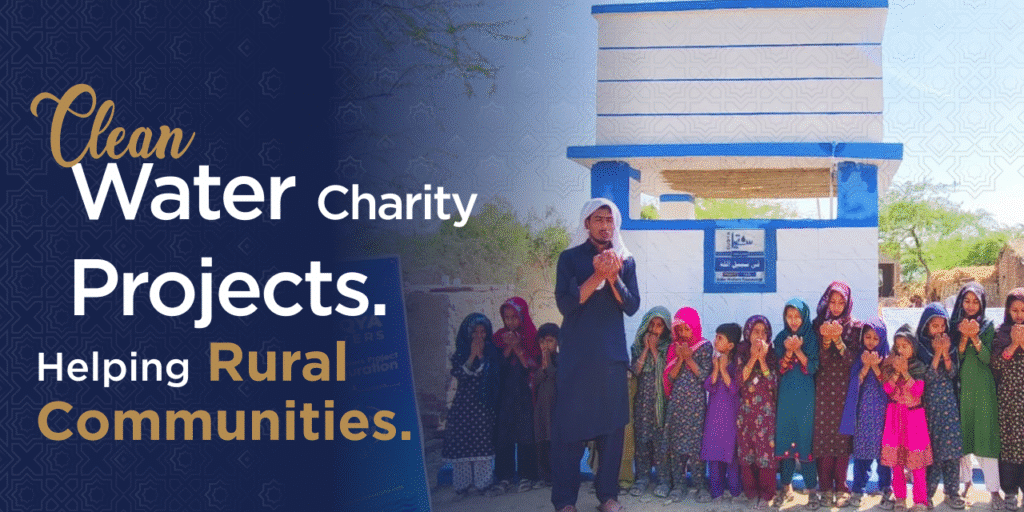
Having nothing but mud and filth to drink is the daily reality for far too many people living in the dry, dusty villages where the heat never lets up. It is a total disaster for the health of these families. Clean water projects in rural communities are changing that reality. But through dedicated clean water charity projects, the situation is finally starting to improve as new pumps and deep bores are installed to provide relief. This work matters in the middle of nowhere, where mothers must still scoop from stagnant, green ponds just to keep their babies alive during the hottest months of the year. It is a brutal way to live that should not be tolerated today. That is exactly why continuing these initiatives is the only way to ensure that remote families have a real future and basic comfort. By addressing the crisis at its source, these programs are creating a path to healthier lives, freeing people from constant stomach illnesses and constant medical expenses. The Quba Foundation is out there doing the heavy lifting with the Suqya Water Project, one of the most impactful clean water initiatives in rural areas. It is about basic human rights and ensuring the most vulnerable are not left to suffer in silence. Getting a working well is the very first step to changing everything for good, as it frees up time for children to attend school and for parents to work their land without being weighed down by sickness. This is not just about a pipe in the dirt; it is about building a foundation for a life worth living, where a cool glass of water is not a luxury you have to walk five miles to find under a burning sun. How Are Clean Water Projects Changing Villages in Pakistan Setting up these clean water projects is a gritty, tough job that depends on knowing exactly what is happening deep under the dirt and rock layers. In the shifting sands of places like Tharparkar, the water is hiding so far down that a regular shovel or a shallow hand pump will never even touch it. For ages, people were stuck using shallow holes that just dried up and turned to dust the second the summer sun got hot. Now, new setups are changing the entire game by using rural clean water systems that include filters and big storage tanks that actually work to keep the supply steady, even when the rain stops for months. These clean water projects ensure that every household has access to safe drinking water year-round. By putting in gear that cleans the liquid right where it comes out of the earth, these programs stop the spread of infection and let a village finally grow into something better. It is about using tough metal pipes that won’t rust and checking the minerals in the soil so nobody gets poisoned by arsenic or salt. Health & Community Impact When the supply is right there in the middle of the village, life gets a whole lot easier for everyone involved. You see children who used to be thin and sickly starting to put on weight and play again, because they aren’t losing all their nutrients to dirty water. The work is slow and it is hard, involving heavy machinery that has to be hauled over broken roads, but the result is a well that can serve hundreds of people for an entire lifetime. It requires a lot of technical skill to map out where the aquifers are and how to reach them without hitting saltwater layers that would ruin the whole effort. Every successful well is a victory against the desert and a way to make sure rural communities have access to safe drinking water​. How Do Water Charity Projects Work Community Training & Ownership The real win for these water charity initiatives is not just the pipes and the cement. The success of clean water projects depends equally on training locals to maintain them over time. You cannot just drop a pump and disappear into the night. That helps nobody in the long run because the first time a bolt shakes loose, the whole thing becomes a useless piece of junk in the sand. Maintenance Teams & Sustainability The smart way to do it is to sit down with the elders and the young men of the village and show them exactly how to handle the repairs. By forming small teams through the Quba Foundation that look after the gear and keep the area around the pump tidy, these groups make sure the water keeps flowing year after year. When a village feels like they actually own the well, it lasts for years instead of breaking in a single week. This way of doing things puts the power back into the hands of the families who use the water, so they do not have to beg for a mechanic to travel from the city every time a handle gets a bit loose. It builds a sense of pride in the community to know they are looking after their own most precious resource. Water Management & Usage These committees also help manage the use of the water, making sure there is enough for the animals and the crops without wasting a single drop. It is a full system of management that ensures the donation is not just a temporary fix, but a permanent change for the better. The education part of the mission is just as important as the drilling part because a well that is looked after is a well that will still be pumping for the grandchildren of the people who saw it installed today. ​Which NGOs Are Providing Clean Drinking Water in Pakistan Reaching the Forgotten Villages in Pakistan The way aid works is changing, with organizations providing rural water aid that actually reaches the tiny, forgotten spots on the map that everyone else ignored for decades. These groups are the only lifeline for places that

Blog

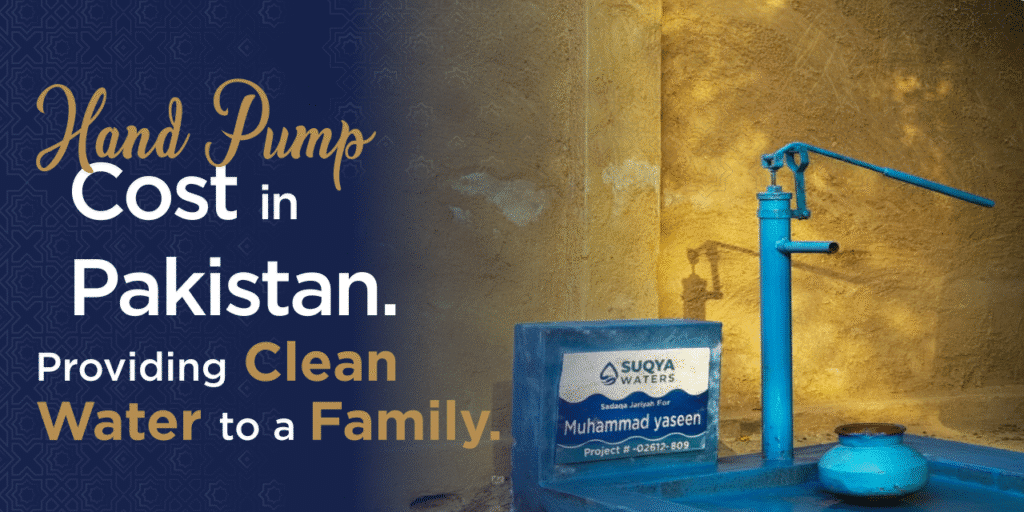
Hand Pump Cost in Pakistan – Provide Clean Water to a Family

In the quiet, dust-filled villages of South Punjab and the sprawling, unforgiving deserts of Sindh, life is not measured by hours or minutes. It is measured by the weight of a water pot. While those of us living in big cities like Lahore, Karachi, or Islamabad can simply turn a tap to wash our hands or make a cup of chai (Tea), millions of our fellow Pakistanis wake up every single day to a much harsher reality. For them, water is something that must be collected, carried, and rationed carefully every day. It is a daily struggle that must be fought for under a sun that often crosses 47 degrees Celsius. At Quba Foundation, we have seen this struggle up close. We have met the mothers who walk four kilometers before the sun is even fully up, and the children who cannot go to school because their only job is to be the water carriers for their families. This is why our Suqya Water Project is so close to our hearts. When we talk about the hand pump cost in Pakistan, we are not just talking about the price of iron and hardware. We are talking about the price of a child’s future and a mother’s dignity. Why Hand Pumps Are Important in Pakistan The water crisis in Pakistan is far more serious than most people realize. In many rural districts, safe drinking water simply does not exist. Families rely on communal ponds, known as Tobas, or nearby irrigation canals. These sources are often shared with animals, which quickly leads to contamination. For the people living in these villages, this is not a temporary problem. It is their daily reality. The heartbreaking part is that these ponds are shared with livestock. Cattle often bathe and drink from the same stagnant water that a mother uses to fill her bucket for her children. This water is filled with bacteria and parasites, but for these families, it is the only choice they have. The lack of hand pumps for clean drinking water in Pakistan is the biggest reason why so many children fall ill in rural areas. Diseases like cholera and typhoid are widespread due to people drinking contaminated water. For a poor laborer earning a daily wage, a single case of typhoid in the family can be financially devastating. The money they should be spending on food goes to doctors and medicine. Donating a hand pump in Pakistan effectively provides a family with protection against disease. It is one of the most basic yet impactful forms of healthcare you can provide. Donate now The Geography of Water Access Pakistan is a land of extremes. From the high mountains in the north to the flat plains in the south, the way water moves underground changes every few miles. In the fertile heartland of Punjab, the Indus River system keeps the water table relatively accessible. Here, you might find clean water just 40 to 60 feet down. These are the areas where a Medium Power Hand Pump works perfectly. But as you move toward the Thar Desert in Sindh or the dry, rocky belts of Balochistan, the ground changes. The sand and rock act as a barrier, and the water table drops significantly. In these places, we often have to drill 150 to 200 feet deep. This is where the Heavy Duty Hand Pump becomes necessary. These pumps are built with thicker metal and stronger internal mechanisms to pull water from those great depths without snapping the handle or wearing out the washers. Hand Pump Cost in Pakistan We often get calls at Quba Foundation from donors asking why the cost of a hand pump varies so much from one place to another. It is a fair question. The truth is that the cost of installing a hand pump in Pakistan depends heavily on the geography of the land. Our Medium Power Hand Pump starts at 45,000 PKR. This price covers everything from the initial site survey to the final brickwork. For areas with a deeper water table, our Heavy Duty Hand Pump costs 95,000 PKR. This price reflects the extra piping, the more powerful pump head, and the specialized drilling rigs needed to cut through difficult soil layers. At Quba Foundation, we have a very strict rule about the materials we use. You can find cheap pumps in the local markets that might save a donor some money today, but those pumps will rust or break within six months. That is not charity; that is a waste of your hard-earned money. We use heavy-duty cast iron pump heads and high-grade PVC or galvanized pipes that are designed to last for decades. We also build a proper concrete platform around the pump. This platform is very important because it prevents dirty water from pooling at the base and leaking back down into the well. If that happens, the clean water underground gets contaminated. Our installation includes everything from the initial survey to the final concrete finish. How Hand Pump Donations Change Lives When a hand pump begins operating in a village, daily life improves visibly. Children who previously relied on pond water experience fewer stomach and skin infections, while families gain time and peace of mind. The benefits reach beyond health, affecting education, work, and household life in meaningful ways. We talk a lot about time poverty. In a village without a pump, a woman might spend five hours a day just fetching water. Think about that. That is five hours every single day where she cannot rest or care for her children. When we install a hand pump for a village in Pakistan, we are giving those five hours back to that woman. She can finally look after her home or start a small business, like embroidery, to help her family. The same goes for the children. Many kids in rural Pakistan do not go to school because they are busy helping their parents carry water pots. A hand pump in

Water scarcity in Pakistan
Blog

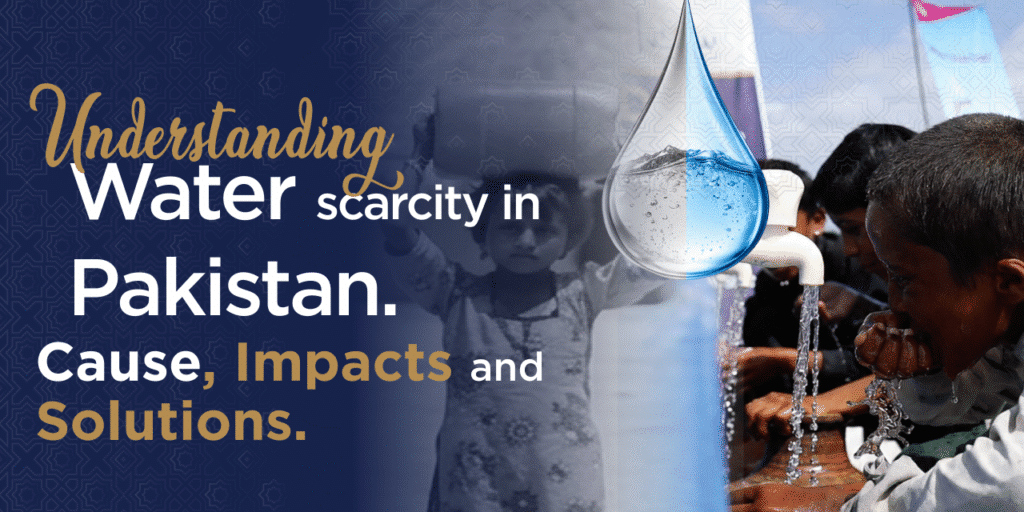
Understanding Water Scarcity in Pakistan: Causes, Impacts, and Solutions

Water scarcity is no longer a distant problem-it affects millions of people every day. In some countries, such as Africa and South Asia, individuals are not able to get safe and reliable water. In Pakistan, population growth, climate change, and poor water management are putting immense pressure on freshwater resources. The effects of water scarcity show up everywhere, from homes and farms to industries and health systems. In rural areas, farmers wake up early to check canals and tube wells, while city families often store water in case supply runs low. These daily adaptations reveal just how deeply water scarcity shapes life. What Is Water Scarcity? Water scarcity happens when the demand for freshwater exceeds what’s available, or when water is too polluted to use safely. It may be seasonal, induced by drought, or long-term, which may be brought about by overuse and poor management. The impacts are not limited to inconvenience; the implications of water scarcity extend to food production, health, the economy, and social stability. Poor irrigation, groundwater depletion, and contamination all make the crisis worse. Global Causes of Water Scarcity Climate Change and Shifting Water Cycles Climate change alters when, where, and how much water is available. Rising temperatures increase evaporation, glaciers are melting faster, and rainfall is becoming unpredictable. Some regions suffer droughts, while others face floods, making water scarcity worse. Those countries, such as Pakistan, which rely on seasonal rain and snowmelt, are particularly susceptible. Population Growth and Rising Demand Rapid population growth strains water resources for households, farms, and industries. Cities often expand faster than infrastructure can handle, so the impact of scarcity is felt almost immediately. Inefficient Agriculture Approximately 70 percent of the freshwater consumed in the world is utilized in agriculture. The conventional irrigation practices are also a huge waste of water due to evaporation and runoff. Water-intensive crops such as rice and sugarcane further strain limited resources. In Punjab, this increases the impact of water scarcity on both farmers and ecosystems. Poor infrastructure and Contamination Water pollution may render water useless even in its presence. Industrial wastes, sewage, and farm runoffs pollute rivers and wells. Poor storage facilities and leaky pipes also reduce the amount of water that can be used. Even in areas with plenty of water, these issues make scarcity worse. Declining Ecosystems The natural water storage and wetlands are also disappearing within a short time. These ecosystems naturally filter and store water, helping sustain rivers and groundwater. Their loss contributes to water scarcity and worsens global water stress. Best ways to donate water Effects and Consequences of Water Scarcity Water scarcity affects the environment, health, food security, and the economy, and the consequences of water scarcity are becoming more visible each year. Health Lack of access to clean water increases water-borne diseases such as cholera, typhoid, and hepatitis. The most vulnerable group of children and the aged are at risk. The clinics in rural Punjab show a higher number of cases of disease in dry months. Food Security A little amount of water will decrease crop production and cause damage to livestock. The farmers lose their earnings, food prices increase, and the communities experience grave food insecurity. Economic Implications The industries that require water experience decreased production and increased costs. Long-term shortages may also result in loss of jobs and migration. Social Implications Conflicts may result because of competition over limited water. Unreliable supply is experienced in schools, hospitals, and households. Water Scarcity in Pakistan Pakistan is experiencing water stress. Increase in population, change of climatic conditions, and weak governance have significantly decreased water availability per capita. The actual effects have been witnessed in shrinking reservoirs, urban shortages, and declining crop yields. Stress on the Indus Basin The Indus River is the major source of water in Pakistan. This basin is over-exploited, unbalanced, and suffering due to climate change. During dry months, farmers and cities often get less water than needed, highlighting the impact of water crisis on national security and long-term stability. Water Scarcity in Punjab Punjab is the agricultural centre of Pakistan that is under severe water stress. Groundwater has been overexploited, flood irrigation is squandered, and crops such as rice and sugarcane are also additional water consumers. Cities such as Lahore and Faisalabad are experiencing the problem of population growth, pollution, and decreased quality of water. The farmers do change the planting dates according to the availability of water, and the villages depend on the storage of the rain monsoons. NGO and Community Response Across many communities, people are taking practical steps such as rainwater harvesting, building storage tanks, and adopting simple water-saving habits to cope with shortages. Quba Foundation works directly with underserved communities by installing hand pumps and wells, supporting community-managed water systems, and spreading awareness about safe water use. Through these efforts, families gain access to cleaner water sources and reduce their dependence on contaminated supplies, creating long-term improvement in local water management. How You Can Help Governments cannot solve water scarcity alone. You can join by contributing either through donation, volunteering, or sponsoring wells and filtration systems via non-governmental organizations such as Quba Foundation. Do not leak, reduce the use of water unnecessarily, promote the use of rainwater, and train people on the importance of conserving water. Little efforts compounded at the community level can be of great help. Support Clean Water Projects through the Suqya Water Project Conclusion Water scarcity in Pakistan and Punjab already impacts agriculture, health, industry, and daily life. Some of the consequences include economic pressure, food insecurity and social strains, which clearly show the effects of water crisis across communities. Through responsible water use, sustainable farming, infrastructure investment, and community-led initiatives, the effects of water scarcity can be mitigated. Addressing these issues now is crucial to ensure water, health, and stability for future generations. Frequently Asked Questions FAQ’s What are the effects of water scarcity in Pakistan? These are effects such as decreased crop production, poor health of the population, household and industrial economic strains.

sponsor an iftar 2026
Blog

Sponsor an Iftar 2026 | Feed a Needy Family Today

The spirit of Ramadan is a divine connection that settles deep within the heart of every believer across the globe. It is a time when the entire Ummah stands together in worship, transcending borders and languages. As the sun begins to set each day, a sacred silence falls over our cities and villages. For many of us, this month is a beautiful journey of gratitude. We gather in our homes with the scent of fresh dates and warm bread filling the air. We sit around tables loaded with blessings, waiting for that one moment of relief at sunset. But as we step into the holy month, there is a shadow falling over the lives of thousands of our brothers and sisters. While we count our blessings, others are counting their remaining coins. While we wait for the call to prayer with thirst, others wait with the heavy realization that they have nothing to break their fast with except plain water. This is the heart of our mission at Quba Foundation. We believe that no one in the Ummah should ever have to face an empty plate when the sun goes down. Your decision to sponsor an Iftar 2026 or make a Ramadan Iftar donation is the light that can dispel this darkness for a family in need Sponsor Now The Spiritual Connection of Itam al Saim There is a profound beauty in the tradition of Itam al Saim, which is the noble act of feeding a fasting person. It is a concept that goes beyond simple charity. It is an act of deep spiritual recognition that every believer understands. The Prophet, peace be upon him, taught us that the person who provides food for a fasting person to break his fast will earn a reward exactly like that of the fasting person without their reward being diminished in any way. Think about the magnitude of this promise. When you provide Iftar for needy families, you are not just giving them food, but you are donating an Iftar meal, inviting the blessings of their entire day of worship into your own life. This is the ultimate spiritual investment for every believer. In the eyes of a hungry child or an exhausted laborer, your gift of a warm meal is a sign that their prayers have been heard. We see the tears of joy every day when a family sits down at a community dastar khwan and realizes they do not have to sleep hungry. This is the true essence of Iftar charity 2026. By feeding one person, you are essentially gaining the reward of an entire extra day of fasting. This is a gift that keeps on giving even after the month has passed, and it brings peace to the heart of the giver. Why Sponsor an Iftar 2026 Matters More Than Ever We must speak truthfully about the world we live in today. In 2026, the cost of living has made even the most basic survival a daily battle for millions across the land. The price of flour, oil, and basic staples has climbed so high that many families who were once stable are now slipping into the grip of poverty. Imagine a father who has worked twelve hours under a scorching sun in the middle of a busy city. He walks home with tired feet and a parched throat, only to realize that he cannot afford to buy fruit or a proper dinner for his children. Imagine a mother who quietly sits in the corner of her small room making sure her children eat the last bit of bread while she pretends she is not hungry. This is the reality for so many in our community today. This is why the Iftar sponsorship cost is the most valuable money you will spend this year. It buys hope. It brings relief. It buys a moment of peace for a human being who is at their breaking point. Your contribution ensures that the cycle of hunger is broken for at least one evening of the holy month and helps you feed a family in Ramadan. Your Iftar Appeal Ramadan is a Universal Call When you hear the Iftar appeal in Ramadan, do not think of it as just another request for funds. Think of it as an invitation to save a life and serve the Ummah through our city-wide dastar khwans. Every time you donate Iftar meal packages, you are providing Iftar for needy families and becoming a hero in someone else’s story. You are telling the struggling people that they are not forgotten by their brothers and sisters. Our mission is to reach those who are too proud to beg but too poor to eat. Our team sets up large-scale meals in the heart of needy communities where the need is greatest. We find the people who are breaking their fast with nothing but a pinch of salt and a prayer. Your Ramadan Iftar donation ensures that these people can experience the true joy of the holy month. It allows them to focus on their prayers and their connection with God instead of the stabbing pains of hunger in their stomachs. This is our collective responsibility as a community of believers to look after those who have less than us and show them mercy. The Power of the Community Dastar Khuwan Many people wonder what actually happens when they choose to feed a family in Ramadan through our initiative. We do not believe in just giving the bare minimum, but we believe in quality and dignity. Our 2026 initiative focuses on freshly prepared, nutritious meals that bring people together in a way that only a shared meal can. We host massive community gatherings where the aroma of freshly cooked rice and meat reminds everyone that they belong to a caring community. We provide wholesome dinners that include fresh ingredients and energy rich food prepared with the utmost care. We serve dates because breaking the fast with a date is

Ramdan Charity 2026
Blog

Ramadan Charity 2026: Donate a Water Project in Pakistan

Ramadan Charity 2026 is a special time when generosity, faith, and compassion come together. This is a holy month, and many of us will desire to leave a lasting impression and not a temporary relief. One of the most impactful ways to give this holy month is to donate a water project in Pakistan. A Ramadan water donation through Quba Foundation ensures lasting benefits for rural communities. Donating to a water project in Ramadan is not just a charity act but a transformative activity that enhances dignity, health, and empowerment of communities that will be felt in generations to come. Access to safe water not only addresses immediate needs but also builds the foundation for long-term social and economic stability. Donate Now Why Clean Water Is a Critical Need in Pakistan Most of the villages in Pakistan continue to use unsafe sources of water. The bacteria and pollutants that are transported by shallow wells and contaminated rivers are very dangerous to human health. Children are especially vulnerable to waterborne diseases, which could be easily avoided with proper access to clean water. For mothers, collecting water is a daily struggle, often involving long walks under harsh conditions, leaving little time for education or work. Girls frequently miss school to help their families, losing valuable learning opportunities. Water is not a luxury. It is essential for survival, hygiene, cooking, and agriculture. Communities without reliable access remain trapped in cycles of illness and poverty. This is why water charity in Pakistan is considered one of the most urgent humanitarian priorities. Why Water Is the Most Valuable Form of Charity The Prophet Muhammad (peace be upon him) emphasized that the best charity is giving water. This guidance carries profound meaning. Water supports life, enhances health, and builds long-term, strong communities. A Ramadan water donation goes beyond a one-time act. It sustains families on a daily basis, lowers medical bills, keeps children in school, and enhances community stability in general. Giving water combines spiritual reward with practical impact, making it one of the most effective ways to contribute during Ramadan. How Donating a Water Project Creates Sustainable Change It is not only an investment in infrastructure but an investment in the future to donate a water project in Pakistan. Properly installed wells provide a reliable supply of clean water for years, giving communities independence and resilience. Families benefit in multiple ways: children fall sick less often, school attendance improves, medical expenses decrease, and women gain time previously spent walking long distances to collect water. Cooking, farming, and hygiene are also supported by clean water, and this helps in the overall well-being of a community. Why Ramadan Charity 2026 Matters for Sustainable Giving Ramadan Charity 2026 is the ideal time to support initiatives that continue to benefit people long after the holy month ends. By contributing to a sustainable water project, your charity leaves a lasting mark. Sadaqah Jariyah Water Wells: Continuous Rewards A Ramadan Sadaqah Jariyah water well represents ongoing charity. Each drop taken to drink, cook, or clean rewards the donor daily, turning your contribution into a long–term water charity in Pakistan. Unlike short-term relief efforts, wells generate daily benefits that can last for generations. Think of a child who has first sipped a glass of clean water or a mother who has stopped being afraid of water-borne diseases. These small but meaningful changes happen every year, demonstrating the true power of Sadaqah Jariyah. By donating a water well, you provide a source of health, education, and stability that benefits entire communities for years to come. Water Well Construction in Pakistan: Leaving a Legacy. Building a Sadaqah Jariyah water well or to build a water well in Pakistan leaves a legacy for generations. When you donate a water well this Ramadan, you ensure safe water, health, and education for entire communities. In addition to offering water, wells: Minimize illness and enhance hygiene. Enable children to focus on education Farming and rural lives. Use as community meeting centers to support each other. A well is not merely a building, it is a stage to community building, independence and growth. Quba Foundation’s Role in Ramadan Charity During Ramadan, Quba Foundation actively supports communities in Pakistan by implementing sustainable water projects. Through its verified Sadaqah Jariyah water wells, the foundation provides clean and safe water, improves health and education, and empowers rural families. By focusing on long-term impact, Quba Foundation ensures that donations during Ramadan continue to benefit communities for years, turning charity into a lasting legacy. How Water Charity Empowers Communities Water charities need to be put into practice in a responsible manner. This entails site analysis, community participation, and maintenance planning. The advantages of such a project will last long when local communities get involved in the process of preserving the wells, which will make the project sustainable. Open and responsible initiatives ensure that donations are effective. Through responsible management of water scarcity, the initiatives interrupt the cycles of distress, improve health, education systems and local economies. Through water charity in Pakistan, families gain dignity, stability, and hope for the future. Societies thrive because they are able to access something that they need in life. Multiply Your Blessings: Give This Ramadan The number of charity acts during Ramadan is increased multiple times. By donating a water well, philanthropy is made a legacy. A single well may be the silent, yet tremendous difference in the lives of hundreds of individuals. Donors might never see the families they are assisting, but their contribution is part of everyday life within the community. Ramadan water donations allow believers to act with both compassion and vision, creating tangible, long-term benefits. Broader Benefits of Clean Water Projects Quba Foundation’s clean water charity Pakistan initiatives provide sustainable access to water, improving hygiene, schooling, and livelihoods across rural villages. Access to safe water leads to better performance among the children. Families spend less money on healthcare. Societies become stronger in cases of droughts or other environmental difficulties. Dignity, confidence, and self-reliance are also

best ways to donate water
Blog

Best Ways to Donate Water for People in Need

Access to clean water is a human right, yet millions of people worldwide still struggle to get it. Water shortage causes health issues, unsanitary conditions, and death among the susceptible groups. Giving water is among the best means of effecting a tangible difference, be it through giving money, volunteering, or contributing to credible institutions. Any donation helps, and by taking small steps, you can change the lives of people who struggle to access safe drinking water. Here are some of the best ways to donate water and help communities in need. Why Donating Water Matters Water is a necessity, and most communities have dire shortages. In the absence of safe drinking water, children tend to skip school, and families have a high probability of falling victim to water-related diseases. The World Health Organization estimates that over two billion individuals in the world do not have access to clean drinking water, and almost 785 million individuals do not get basic water services. In other areas, children walk hours daily to fetch water and thus are not able to learn and play. With your help through water donations, you contribute to programs that reduce illness, improve hygiene, and enhance overall well-being. Such a contribution, even in the smallest amounts, can make a long-lasting impact if it is channeled through reputable organizations. Every action, no matter how small, can transform a life. Donate to Reliable Water Charities One of the simplest ways to make a difference is by donating to water charities. Companies invest in wells and filtration facilities as well as emergency water relief programs to provide clean water where it is most needed. By donating to well-known charities, you are guaranteed to help the people in need and offer them long-term and sustainable solutions. Some of the best water charities include global organizations like Charity: Water and Water.org, as well as regional organizations such as Quba Foundation in Pakistan. The Quba Foundation runs projects like the Suqya Water Project, which installs hand pumps and solar-powered water systems in rural villages. One hand pump currently supplies over 500 individuals in one community. Children do not have to spend hours walking to get water anymore; they can go to school on a regular basis. The families remain healthier, and the hygiene in the village is improved. Whether local or international, your donation can create meaningful, long-lasting change. Sponsor Water Projects The other method of creating a tangible difference is through sponsoring a water project. Most organizations give donors an opportunity to finance projects like drilling wells, installing water filters, or establishing rainwater harvesting systems. Sponsoring a project gives you an opportunity to view the impact of your donation on a community having access to safe water. Funding a water project does not just bring water. It avoids diseases, enhances hygiene, and provides children with a chance to attend school instead of using hours to gather water. A family with clean water can last months with a mere donation. In the case of Quba Foundation, the donors can invest in water installations in rural villages to guarantee their continued access to clean drinking water. Seeing the project succeed allows donors to feel connected and gives them a sense of ownership because they can witness the change they helped create. Participate in Water Aid Donations Water aid donation programs often respond to emergencies such as droughts, floods, or conflicts. These initiatives provide clean water quickly to affected populations, helping prevent dehydration and disease. Donating to these programs is a life-saving step during emergencies. You can also help by donating funds to provide emergency water, volunteering to help in distribution, or educating communities on hygiene. Organizations such as Quba Foundation and international NGOs offer both long-term and short-term solutions as well as provide immediate relief. Indicatively, in the case of an extreme drought, Quba Foundation provided water to thousands of families and installed permanent filtration systems to guarantee them access to safe water. Organize Local Water Drives Helping doesn’t always need to be on a global scale. A local water drive is a nice event to arrange in order to contribute to the local population. Drives can either gather bottled water or solicit funds for shelters, hospitals, or disaster relief initiatives. Local programs create awareness, motivate a community, and have a direct impact. A drive can be held in a school or community organization, which can be promoted over social media, and volunteers are needed to take part in collecting donations. An example is that a school in Lahore collected and bottled water to be distributed to families hit by seasonal floods. Local initiatives can also partner with organizations like Quba Foundation, which supports larger sustainable water projects in areas with severe water shortages. Create Awareness and Educate Communities It is not only the donation of resources but the donation of knowledge as well. Awareness campaigns encourage more people to support water charity donations and projects that provide clean water. Training communities increases the effectiveness of your work. The ways to advocate are to provide facts and stories about water shortage, conduct workshops, or persuade friends and colleagues to donate or volunteer. The contribution of other organizations, such as Quba Foundation, can also be highlighted to make others act. Practical ways to teach children and adults about clean water and hygiene include social media campaigns, school programs, and community presentations. Conclusion Access to clean water should not be a privilege; it is a basic human right. By donating water, supporting water charity donations, or sponsoring projects through trusted organizations like Quba Foundation, you can make a real, lasting difference. Any donation, however small, helps families access clean drinking water, improves health, and builds a brighter future. Take action today! Donate water now and be the reason someone has clean, life-saving water tomorrow. Frequently Asked Questions FAQ’s Why should I donate water? Donating water helps communities access safe drinking water and improve overall health. How can I donate water effectively? You can donate water by supporting

how to calculate zakat 2026
Blog

How to Calculate Zakat 2026 in Pakistan: Step-by-Step Calculation Guide

Every Muslim who owns savings, cash, or gold should know how to calculate zakat 2026 accurately. Many people only realize they calculated Zakat incorrectly when someone else points it out. In reality, Zakat is straightforward and stress-free once the basic principles are understood. In this article, you will find clear information about what Zakat is, when it became farz, who is eligible to receive it, which types of wealth it applies to, and how Zakat is calculated on cash, savings, and gold. It also includes the Zakat amount of 1 lakh rupees and 1 tola of gold in Pakistan. Calculate Now What Is Zakat in Islam? The third pillar of the Islamic religion is Zakat, which is a mandatory worship. Zakat is a word that refers to purification. In performing Zakat, a Muslim cleanses their wealth and aids the needy. In contrast to voluntary charity, Zakat is obligatory in case a Muslim has more wealth than a certain threshold during a complete lunar year. Zakat is mentioned in the Quran along with Salah, and it is important in the life of a believer. When Zakat Became Farz? Zakat became farz (obligatory) in the second year after Hijrah, during the time of Prophet Muhammad (PBUH). Since then, it has been one of the mandatory pillars of Islam, required annually for eligible Muslims who meet the Nisab threshold. Who Is Eligible for Zakat? Zakat is provided by Islam to the right individuals with a clear definition. Verse 60 of Surah Al-Tawbah mentions the recipients: إِنَّمَا الصَّدَقَاتُ لِلْفُقَرَاء وَالْمَسَاكِينِ وَالْعَامِلِينَ عَلَيْهَا وَالْمُؤَلَّفَةِ قُلُوبُهُمْ وَفِي الرِّقَابِ وَالْغَارِمِينَ وَفِي سَبِيلِ اللّهِ وَابْنِ السَّبِيلِ فَرِيضَةً مِّنَ اللّهِ وَاللّهُ عَلِيمٌ حَكِيمٌ Individuals who do not have enough to meet their basic needs for food, drink, clothing, and shelter. Those who are in difficulty but not as poor as the poor need additional support. Individuals employed to collect Zakat, who receive Zakat funds for their work. New Muslims or those needing encouragement towards Islam. Individuals who are in bondage or in debt require Zakat for their needs. Those who are traveling with few resources and need assistance. These categories are outlined in the Quran and are essential for fulfilling the Islamic duty of Zakat. Zakat is not to be given to parents, children, spouse, or anybody to whom you have financial responsibility. Adhering to these regulations will make Zakat reach the people who require it. What Wealth Is Zakat Applicable On Only specific types of wealth, known as zakatable assets, are liable for Zakat. These are assets that increase, or could potentially increase, in value. They include: Cash in hand Bank balances Savings and fixed deposits Gold and silver Business goods and profits Trade investments Other assets that are not liable to Zakat are personal homes, personal-use vehicles, household furniture, and everyday items. Even minor savings or gold jewels have to be added to the calculation. Understanding Nisab in 2026 The minimum wealth that a Muslim should possess to make Zakat mandatory is known as Nisab. For 2026, the thresholds are: Gold Nisab: 7.5 tolas (about 87.48 grams) Silver Nisab: 52.5 tolas (approximately 612.36 grams) Scholars in Pakistan tend to encourage the adoption of the silver Nisab due to the ability of more people to afford Zakat and assist a greater number of needy people. When you have your entire zakatable wealth and your wealth is Nisab and above in one full year of the lunar year, then Zakat is obligatory. Calculate Now Basic Zakat Terminology Nisab: This is the lowest amount of wealth at which Zakat becomes mandatory. Zakat Date: The Hijri date on which your wealth first reaches Nisab is an annual date of calculation. Hijri Calendar: This is the Islamic lunar Calendar that is used to calculate Zakat. Lunar Year: This is about 354 days, which is used to calculate whether you owe Zakat or not. Hawl: A complete lunar year since the date of Zakat. Zakat is obligatory in case the wealth remains above Nisab. How to Calculate Zakat in Islam ? Nisab is generally announced by Islamic authorities based on the market value of gold or silver. Zakat itself is calculated at 2.5% of a Muslim’s zakatable wealth held for one full lunar year. Deduct Immediate Liabilities and Short-term Debts These include outstanding loans or payments due at the time of zakat calculations, not regular living expenses. Compare The Amount with the Nisab Threshold Determine the current cash value of your Nisab threshold, regardless of whether you chose to use the gold or silver value for Nisab. If your Zakatable Wealth exceeds the Nisab standard, go further. Calculate Your Zakat Amount Simply multiply your Zakatable Wealth by 2.5% and get to know the total amount you have to pay for this year. How to Calculate Zakat on Cash ? Calculation of cash and savings is easiest. These include: Money in hand Bank accounts Digital wallets Savings accounts How much zakat on 1 Lakh rupees in Pakistan If the total exceeds Nisab for a full lunar year, Zakat is payable at 2.5 percent, the Zakat is paid at 2.5 percent. Suppose you have saved 100,000 rupees: 100,000 × 2.5% = 2,500 rupees Then the 1 lakh rupees Zakat in Pakistan is 2,500 rupees. How to Calculate Zakat on Gold Zakat on gold is compulsory when there are two conditions met: You own gold at or above the Nisab threshold. The gold has been in your possession for a full lunar year. Stored gold, gold jewelry, and coins are zakatable. Zakat is calculated based on the current market value, not the purchase price. How much Zakat on 1 Tola Gold in Pakistan Assuming that 1 tola of gold is valued at 454,957.67 rupees, then Zakat at 2.5 percent is calculated as: 454,957.67 × 2.5% = 11,373.94 rupees Therefore, Zakat on 1 tola of gold is 11,373.94 rupees, provided your total gold or cumulative zakatable wealth meets or exceeds Nisab. If Allah has blessed you with wealth, fulfilling your Zakat obligation helps bring ease to others.

Blog

Best Sadaqah Jariyah to Give During Ramadan

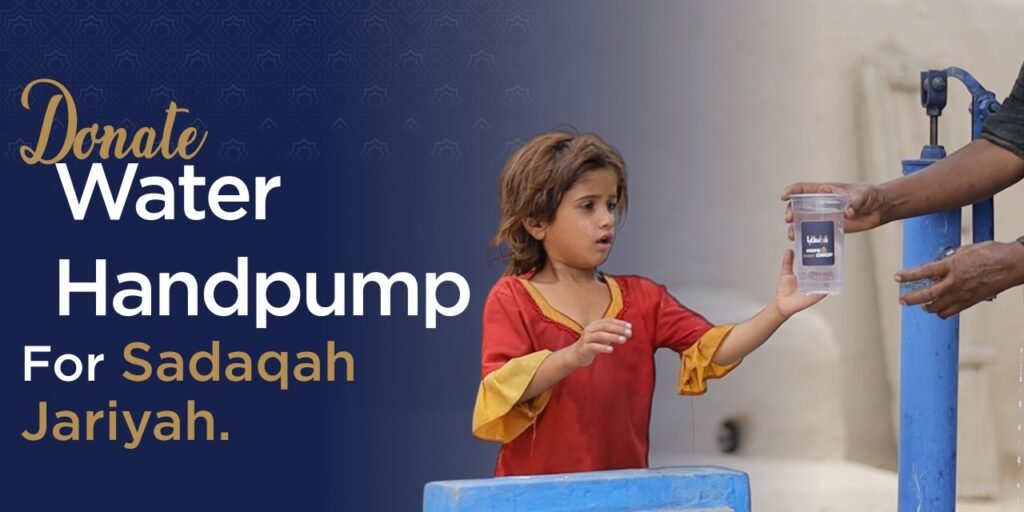
Ramadan is not just a month of fasting; it is a month of reflection, generosity, and making a meaningful difference. During this blessed month, believers are encouraged to use their blessings in ways that continue to benefit people even after Ramadan ends. The goal of many Muslims is to offer the best sadaqah jariyah Ramadan, or charity that offers benefits that are sustained by the communities and long-term spiritual gains. Such actions typically involve providing clean water, education, and food to starving people, leaving a legacy of good and mercy. The Significance of Charity During Ramadan Ramadan fasting helps the believers to empathize with those who daily go through hunger and thirst. This awareness often moves people to act generously. Cooking iftar or suhoor, giving charity during Ramadan, or assisting needy communities makes the month more spiritual. Any good deed during Ramadan is compensated several times. The Prophet Muhammad, peace be upon him, was particularly generous in this month, and he performed more charity than at any other month of the year. Charitable activities throughout the month of Ramadan enable believers to achieve the actual meaning of the month: to care about other people and find the favor of Allah. Even the simplest things, like sharing water, dates, or a meal, are rewarded many times. It is very meritorious to serve food to a person to break his or her fast or to give water to a thirsty person. Such little acts promote the culture of generosity and remind believers that they must think of the needs of others. What Is Sadaqah Jariyah? Sadaqah jariyah is a type of charity that is continuous. They are good deeds whose fruits are still being enjoyed many years after they were done. Sadaqah jariyah at Ramadan can help generations, unlike a one-time donation. It can be the building of schools, financing of health institutions, tree planting, or the supply of clean water to the population. This kind of action will make sure that your efforts will still bear fruit even after the first donation. Allah reminds us in the Quran: “And whatever you spend of good – it will be fully repaid to you, and you will not be wronged.” (Surah Al-Baqarah 2:272) This verse emphasizes the importance of giving sincerely. Even a single act of sadaqah jariyah during Ramadan can continue helping communities while bringing ongoing spiritual rewards to the donor. Water Charity: A Highly Rewarding Form of Giving In many parts of the world, access to clean water remains a daily struggle, which is why water charity is regarded as a meaningful form of sadaqah jariyah. Water is essential for life, hygiene, and worship, yet millions of people worldwide still lack safe drinking water. A Ramadan water donation will keep the families hydrated, cook, and stay clean. It also enables children to go to school and not to walk long distances to get water. Water projects are very rewarding since they can be used by whole communities over a long period of time. They offer continuous blessings to both the givers and the receivers. By donating to water charity Ramadan, you create a tangible, lasting impact that improves health, education, and quality of life. Water charity also promotes sustainability by reducing reliance on unsafe water sources and helping communities develop independently. Hand Water Pump: A Practical Sadaqah Jariyah One of the best methods of offering water charity during Ramadan is funding a hand water pump. A water pump sadaqah jariyah provides clean water to the villages and communities on a lasting basis. The donor is rewarded with continuous spiritual reward every time one uses the pump, whether to drink iftar, suhoor, or for daily use. These projects not only supply clean water, but they also lower waterborne diseases. They conserve time for children and adults who would have walked long distances to collect water, so that they can study and help in the development of the community. One of the sustainable and significant donations to make during Ramadan is to fund a hand water pump. Combined with other charitable activities, such as feeding the fasting or contributing to the cause of education, it multiplies the spiritual returns and makes your own efforts a permanent legacy. Breaking the Fast: Nourishing the Fasting During the fasting period, one of the most rewarding charities is feeding the fasting people. Serving iftar or suhoor is not only a way to satisfy the current needs, but is also a sadaqah jariyah during Ramadan since the reward is doubled. The Prophet Muhammad, peace be upon him, stated that the giver of a fasting person will earn a reward similar to that of the fasting person, and this does not make him or her less rewarding. Rewards are enormous in Ramadan, even in small gestures like offering dates, water, or a simple meal to assist someone in breaking the fast. These activities are in addition to other current charitable activities, like water projects or education provision, and result in a long-term effect on the community. Breaking the fast together can encourage others to participate in philanthropic activities, and it can assist in cultivating the culture of giving that goes beyond Ramadan. Educational Projects: A Sadaqah Jariyah Long-term The other form of continuous charity that is effective during Ramadan is education support. Building schools, scholarship allocation, or even supplying academic materials can help to provide the knowledge to those children and adults who would not otherwise have an easy time learning. Education is both empowering to communities and a long-term change, which is very useful as an example of sadaqah jariyah. Educational projects can shape the future generation and improve community development when they are combined with other charitable activities, like water or food provision. Donations to education are not only a service to individuals but also a donation to the development and sustainability of society in general. Medical and Healthcare Support Healthcare support during Ramadan is also a form of continuous charity that protects lives and eases

how to donate for clean water projects
Blog

How to Donate for Clean Water Projects

Clean water is a need in life, but millions of families in Pakistan find it difficult to get access to clean drinking water on a daily basis. In the countryside, citizens often walk long distances to wells or rivers, many of which are contaminated with bacteria and unsafe for drinking. In the poor city regions, the pipes are either old or shared, and they cannot supply clean water. This scarcity leads to illness, malnutrition and constant suffering, especially among children. Clean water projects are meant to transform this fact. They take water nearer to the houses, enhance health, provide children with more time to attend school, enable adults to work, and bring dignity to the communities. It is also necessary to learn how these programs work, the charities to trust, and how your contribution will really make a difference before you donate. Significance of Clean Water Projects There is a serious water crisis in Pakistan. Rivers and groundwater are usually contaminated by bacteria, chemicals, and salts. There are waterborne diseases such as diarrhea, typhoid, and hepatitis, which are prevalent among children. Donating to clean water projects is not just about providing water—it’s about improving health, dignity, and long-term community development. it is about providing safe drinking water and improving community health. Families that used to take hours to gather water are now able to concentrate on education, work, and better their lives. Children become healthier, families become economical on healthcare expenses, and communities become stronger. Through such programs, the donors can ensure that they break the poverty and disease cycles and generate lasting health, educational, and economic opportunities. How Clean Water Projects Work Good clean water projects do not just include drilling wells or setting up pumps. All communities are different. Certain areas benefit most from filtration systems, while rainwater harvesting or water storage tanks are needed in others to ensure reliable access to clean drinking water. After installation, the systems are trained by the local residents to maintain and repair the systems. There is also education of communities on hygiene and safe water practices. Giving money to clean water projects is not only an investment in infrastructure but also knowledge, skills, and habits that can be transmitted across generations. The Suqya Project in Sindh is one such example where 50 filtration plants currently serve more than 10,000 villagers with clean water. This shows the long-run effects of well-thought-out projects. Impact of Water Donation on Poor Communities Women and children in the rural setting spend hours daily gathering water. By giving donations to clean water projects, this burden is decreased, time is saved, and the risk of waterborne diseases is decreased. Families are able to cook safely, children are healthy, and the households save on medical costs. Every little contribution counts; one donation can give dozens of families access to clean drinking water, improving health, education, and local economic opportunities Most Effective Method of Giving Clean Water Not all charities are equal. The best donations are those that are transparent in their funds, give updates on their projects, and engage communities in the management of water systems. Reliable clean water charities such as Quba Foundation are more concerned with sustainability and local involvement. When you donate to such organizations, you are guaranteed that the water systems will run for years, hence your donation will be long-term. Where to Donate Clean Water in Pakistan It is difficult to find the appropriate charity. Find those organizations that have a good track record, clear finances, and community involvement. Trustworthy water donation charities ensure that your contribution reaches families most in need of safe drinking water. The example of such a charity is Quba Foundation, which offers sustainable water services to underserved regions. Donations to such organizations enhance health, save lives, and make such projects successful in the long run. Online Donation to Water Projects Donations through online are quick, secure, and easy. Most charities will take one-time or recurring donations and will also update, take photos, and share stories to demonstrate the effects of your donation. Online water charity donation enables the organizations to organize long-term programs and act promptly in case of emergency, responding to the needs and helping even when you are far away. Investment in Safe Drinking Water Programs The availability of water is not sufficient, but it should be safe. A lot of clean water programs integrate purification systems, filtration, and hygiene education. Societies are taught the art of water conservation, prevention of contamination, and good sanitation. The empowerment of families, strengthening of communities, and self-reliance are some of the benefits of supporting safe drinking water programs. Investing in Clean Water Sustainable Projects Sustainability is key. Donations assist communities in dealing with water systems with long-lasting materials, localized solutions, and involvement. Green clean water projects enhance the health, education, and economic prospects of the current and future generations. These programs are not short-term solutions. The Reason to Support Clean Water Initiatives Water shortage has an impact on nearly all life activities in Pakistan. The clean water enhances health, child mortality is curtailed, and families can concentrate on education and employment instead of survival. Any donation will make a difference and will help create better communities that are healthier and have a brighter future. Call to Action Clean water is a necessity for every human being. By donating to clean water projects in Pakistan, you can help families gain access to safe drinking water, improve health outcomes, support education, and create employment opportunities. Regardless of whether it is a donation online or to local charities, all donations are important. Donate to reputable organizations such as Quba Foundation so that your donation can have a long-term effect and communities can be empowered over generations. Frequently Asked Questions Why should we donate to clean water projects in Pakistan? In Pakistan, there are millions of families that are unable to access safe drinking water. Through your donation to clean water projects, you will ensure that you avert water-borne diseases, enhance health, and

iftar al saim
Blog

Iftar al Saim by Quba Foundation

Every Ramadan, Quba Foundation runs Iftar al Saim, a program designed to help fasting individuals break their fast with care, dignity, and warmth. More than 1,000 people enjoy meals cooked and delivered by volunteers, who often say the experience is humbling and heartwarming. It is more than just food. Iftar al Saim unites volunteers, donors, and the community in a common act of giving. Other volunteers recall the laughter in a family or a simple thank you that they cannot forget even after the meal has been served. It is these little human touches that make the program so charming. Understanding Ramadan The ninth month of the Islamic calendar is known as Ramadan, which is a holy period among Muslims. Fasting during the day until the evening is accompanied by additional prayers, contemplation, and charity. This month emphasizes patience, empathy, and generosity. Helping the needy is a key focus of Ramadan, which is why initiatives like the Iftar Program are so highly valued.  The program allows fasting people to stay strong by feeding them with nutritious meals because they feel that their community supports them. Benefits of Ramadan Ramadan is spiritual, social, and physical in nature. Spiritual benefits: • Enhancing the relationship with Allah by being patient and reflective • Learning gratitude, self-discipline, and mindfulness • Promoting self-awareness and self-development Social and physical advantages: • Establishing closer relationships by eating and volunteering • Helping at-risk families and individuals • Encouraging more healthy eating and awareness in fasting Such programs as the Ramadan Iftar Program in Quba Foundation enable these advantages to go beyond individuals and bring about a sense of belonging and unity to the community. What Is Iftar al Saim Iftar al Saim is serving a meal to a person who is fasting so that he can break his fast at night. Prophet Muhammad, peace be upon him, stated that the reward of feeding a fasting person is equivalent to the reward of the fasting person. The program focuses on: • Providing meals ranging from simple dates and water to full dinners • Serving others on purpose and blessing others • Promoting compassion, unity, and community support • Following the Sunnah of feeding the fasting people According to volunteers, it is an experience that cannot be forgotten when giving someone a meal and watching them be happy. Even a little thing can have a significant effect. The Significance of Feeding Fasting People Giving iftar is not just feeding the body, it is also feeding the heart. Most recipients, especially those who are financially challenged, use these meals to remain healthy and feel like they belong. Through Iftar al Saim by Quba Foundation, recipients experience a sense of dignity and belonging. Breaking the fast together reinforces the relationship and encourages other people to do charity, which will spread the Ramadan spirit in the community. Quba Foundation Iftar Program Quba Foundation Iftar Program provides regular, culturally suitable meals during the period of Ramadan. It is not a one-time activity; it is a Ramadan humanitarian project that aims at the long-term effect. Quba Foundation demonstrates that an Islamic charity program can combine faith, service, and social responsibility by feeding the needy. The physical blessings of Ramadan are felt by both the donors and the recipients, and they produce better bonds within the community. Volunteers and Donors Role Volunteers assist in preparing, packing, and delivering meals, and most of them say that it is a very satisfying experience. The donors help the program by giving it financial and in-kind assistance, enabling the program to cover more than 1,000 individuals each year. Volunteers and donors are together as a sign of compassion and joint responsibility at the core of Ramadan. It is said that the appreciation of people receiving is more rewarding than recognition. Community Impact The program has short-term impacts as well as long-term impacts. Short-term recipients are provided with nourishing meals that make them remain energized. In the long run, the project leads to cohesion, charity, and social integration. In most cases, recipients are appreciative of food, as well as the attention and care they get. Programs like Iftar al Saim build trust, empathy, and a culture of giving that extends beyond Ramadan. Spiritual Significance Iftar al Saim is charity and worship. Adhering to the Sunnah of feeding the fasting people promotes humility, selflessness, and generosity. Spiritual satisfaction is achieved by both the givers and the receivers, and a mere meal is transformed into an act of faith. The show is a perfect example of how action and faith make the blessings of Ramadan come to life. How to Get Involved You can support volunteering opportunities to deliver iftar meals in several ways: Volunteer to help prepare and deliver meals, even a few hours can make a difference • Donate money or food to support the program • Share information about the program within your community By taking part, you can nourish fasting people, engage in religious service, and build your local community. Conclusion Iftar al Saim by Quba Foundation embodies the spirit of Ramadan. It guarantees that no one will starve because it offers food to those who are fasting, encourages charity, and bonds the community. Even basic service acts turn out to be special moments for both givers and receivers, and the blessings of Ramadan are maintained across the community. Spread blessings during this Ramadan and help Iftar al Saim charity through Quba Foundation! Frequently Asked Questions FAQ’s What is Iftar al Saim? It is the act of providing a meal to a fasting individual so that they can have a dignified meal. Who organizes Iftar al Saim? The program is held by Quba Foundation every Ramadan and accommodates more than 1,000 fasting people. What is the significance of feeding fasting people in Islam? It is based on the Sunnah and is rewarding to both giver and receiver. What can I do to help Iftar al Saim? You may volunteer, donate, or assist in awareness creation of the program.

Scroll to Top