info@qubafoundation.org

Lahore, Punjab

Author name: Ammar Shoaib

best sadaqah jariyah
Blog

Best Sadaqah Jariyah for Deceased Parents and Relatives

Sadaqah Jariyah is a beautiful form of continuous charity in Islam. It gives us a way to send ongoing blessings to our loved ones even after they pass away. This practice is based on a well-known hadith of the Prophet Muhammad (peace be upon him). He explained that when a person leaves this world, their actions come to an end except for three things: a continuous charity, knowledge that keeps helping people, or a righteous child who prays for them. When children do good deeds on behalf of their late father or mother, they directly fulfill this beautiful responsibility. Putting your hard-earned money into a lasting project changes the lives of poor communities and brings endless rewards to the deceased. This guide helps you understand how continuous giving works and looks at practical ways to turn your love for your family into life-saving support for others. Donate Now Why Sadaqah Jariyah for Deceased Matters Losing a parent or a close relative leaves a deep, quiet emptiness in the home. Choosing to give a sadaqah jariyah for deceased family members turns your personal grief into a protective shield for others. Instead of short-term aid that disappears in a few days, a permanent project keeps a legacy of kindness alive in places that lack basic necessities, and every time a child helps a community in their parent’s name, that act becomes a living gift that keeps reaching them in the grave. What is Sadaqah Jariyah To choose the right path for your family, it helps to understand the foundational definition of this practice. In Islamic teachings, sadaqah jariyah refers to any voluntary charity that creates a self-sustaining, long-term benefit for the public. The main difference between regular charity and continuous charity comes down to time and permanence. Regular charity fixes an immediate, pressing issue. Examples include feeding a poor family for a day or giving someone cash for medicine. This help is incredibly important, but the action finishes once the food or money is used up. Continuous charity requires building a physical asset that lasts for decades. Instead of a temporary fix, you fund a school, a community plantation, or a reliable water source. When you solve a baseline problem at its root, you ensure the rewards keep circulating for your loved one forever. Spiritual Motivation and Benefits for the Deceased Starting a lasting project gives a grieving family a positive, shared goal to focus on. It brings children, siblings, and extended relatives together, helping them channel their collective loss into something that uplifts an entire village. Seeing your late parents’ name tied to a functional piece of infrastructure offers real emotional and spiritual relief.  It serves as a physical reminder that a person’s capacity to do good does not vanish at death. Their physical presence is gone, but their kindness stays active on earth. This beautiful connection builds a bridge of mercy, transforming a painful family loss into a permanent blessing for people who have no other support. Different Types of Sadaqah in Islam Giving in the Islamic tradition follows a clear framework based on how long the benefit lasts and how fast people need it. Understanding the different types of sadaqah helps families put their money where it can do the most structural good. Short-term charity focuses purely on immediate survival. This category includes distributing warm winter blankets, emergency medical kits after a flood, or sharing meat during Eid. These actions save lives during a crisis, but they do not create a permanent legacy because the resource gets used up quickly. A long-term sadqa jaria, by contrast, centers on building a lasting asset. Whether it involves pouring concrete for a school or digging deep into an underground aquifer, the goal is total durability. Prioritizing these permanent setups ensures your capital supports human life independently for generations. Long-Term Sadaqah Jariyah Projects When looking for the most effective ways to give back, certain interventions consistently deliver excellent value and stand the test of time. Clean Water Infrastructure Supporting a water charity initiative is widely loved as one of the highest forms of continuous giving. In remote, dry regions, a lack of clean water paralyzes daily life. Young children spend their mornings walking hot, dusty tracks to collect muddy water from open ponds. This heavy chore keeps them out of school and exposes families to severe illness. Introducing a protected, clean source changes this reality completely. For individual donors looking for an affordable project with high daily use, a Water Hand Pump Donation is an excellent choice. These mechanical units tap into deep, naturally filtered underground water. Because they work entirely without electricity, solar panels, or complex computers, they are perfect for faraway rural villages. If a handle or seal wears out over time, local people can fix it quickly and cheaply with basic tools. This simple setup makes a water donation project highly scalable for families. You can fund a single pump for a small neighborhood or support a network of installations across a dry valley. Quba Foundation manages these water initiatives from initial drilling to safety testing. The team at Quba Foundation provides donors with exact geographic coordinates and completion reports, ensuring full transparency from start to finish. Educational Infrastructure Investing in education creates a legacy that naturally multiplies its own impact over time. Funding the construction of classrooms, building a library, or equipping vocational spaces provides young people with the ultimate tools for self-reliance. When a child learns to read, write, or master a trade, that knowledge spreads to siblings and future generations, creating a permanent way out of poverty. Within this framework, supporting a community school or a local mosque also serves as a powerful continuous charity. It creates a central sanctuary for daily prayer, spiritual growth, and literacy classes. Every moral lesson taught, every prayer offered, and every family lifted up through that infrastructure reflects on the parents who inspired the gift. Quba Foundation actively constructs educational spaces to ensure children in forgotten areas get a fair

donate qurbani 2026
Blog

Qurbani Hissa in Pakistan: How It Works, Price, Rules & Online Booking Guide

Planning Qurbani this Eid but not sure how cow shares work? Here’s everything you need to know about qurbani hissa in Pakistan. What is Qurbani Hissa in Islam? Qurbani hissa is a shared portion of a cow, bull, or camel divided among seven people for Eid ul Adha (also known as qurbani eid). It is one of the most common ways Muslims in Pakistan perform Eid ul Adha. It is also commonly known as cow share qurbani and is widely used in online qurbani services. How Qurbani Hissa Works Seven people share one animal, making it easier for individuals who cannot afford or manage a full sacrifice on their own. This system has become especially common in cities like Karachi and Lahore, where shared arrangements are widely practiced among middle-income families. The total cost of the animal is divided equally among participants, making qurbani more practical and financially manageable. Instead of one person bearing the full expense, each participant contributes their share. Why It Is Used in Pakistan In urban areas, keeping a large animal is often not possible due to limited space. For example, managing a 400kg bull in a small apartment is not practical. The shared qurbani model solves this issue while still fulfilling the religious obligation. Each participant receives the full reward based on sincere intention and halal earnings. With rising livestock prices in Pakistan, qurbani hissa makes Eid sacrifice more accessible and ensures more people can participate without financial pressure. The Diversity of Sacrifice: Goats, Lambs, and Shares Is a goat better than a cow share? It really depends on the person and their situation. The tradition of sacrificing a goat or sheep is very personal and widely practiced in Eid ul Adha. In Islam, a small animal like a goat or ram counts as one complete sacrifice for one person, similar to how the Prophet ﷺ used to sacrifice two rams. Many people still prefer the hands-on experience of qurbani. They go to the mandi, choose the animal themselves, and arrange the sacrifice personally. That emotional connection is something a shared system like cow share qurbani or eid cow qurbani does not always provide. The rules of qurbani are strict and must be followed carefully. A goat must be at least one year old, a cow at least two years old, and a camel at least five years old. If an animal is too young or has a clear defect, the sacrifice may not be valid. Because of these options, people choose what best fits their financial and practical situation. Some families even combine both approaches. They keep a goat at home for a more personal experience and also participate in a qurbani hissa (cow share) so that meat can reach remote and needy communities. This creates a balanced way of keeping the tradition alive while maximizing impact. Eid ul Adha and Its Significance in Pakistan In Pakistan, things change quickly once the moon of Dhul Hijjah is sighted. There is a strong mix of religious preparation and practical arrangements at the same time. Rising animal prices also make the situation difficult for many families. Fodder, transport, and overall livestock costs have increased significantly, so whether someone is performing qurbani individually or through a system like qurbani hissa, it affects almost everyone. Eid ul Adha is a reminder of Prophet Ibrahim’s devotion and complete submission to Allah. In Pakistan, people express this spirit through sacrifice and charity. At the same time, modern city life has changed how qurbani is managed. Many people with busy jobs cannot handle an animal for several days, and even the cleaning and logistics can be exhausting. This is why shared qurbani and cow share qurbani options have become common in urban areas. They reduce the physical burden while allowing people to focus more on the spiritual purpose of Eid ul Adha. Benefits of Online Qurbani in Pakistan If you have ever visited a bakra mandi in peak heat, you know how tiring the experience can be. The dust, noise, and constant bargaining can quickly become overwhelming. Because of this, many people in Pakistan now prefer online qurbani services. It offers a more organized and stress-free way to manage qurbani. You can easily book a cow share from your phone while sitting at home or at work, which makes the entire process much more convenient. One of the biggest advantages is clear and fixed pricing; users prefer systems like eid cow qurbani and online qurbani Pakistan platforms. In traditional mandis, prices can change depending on timing, demand, and negotiation. Online qurbani Pakistan platforms usually offer fixed rates, which removes uncertainty and last-minute price shocks. For overseas Pakistanis living in places like New York, London, or Dubai, this system is even more useful. They can arrange their qurbani hissa or cow share qurbani in Pakistan for their families or for charitable distribution, knowing the process is handled properly and transparently. It is a simple and modern way to fulfill an important religious tradition. What is Waqf Qurbani and Its Spiritual Depth Waqf qurbani means donating the entire share without keeping any portion for personal use. It is intended for those who prefer to give their sacrifice entirely to people in need. This form of qurbani is especially impactful in regions such as Tharparkar and parts of Balochistan, where access to fresh meat is limited. Many families receive meat only once a year or less. Organizations handling waqf qurbani, including trusted platforms like Quba Foundation, ensure proper preparation, hygienic packaging, and respectful distribution. The focus is not only on food delivery but also on maintaining dignity for recipients, reflecting the spirit of sunnah and social responsibility. Donate Now Socio-Economic Impact and Rural Livelihoods Qurbani is not only a religious practice; it also plays an important role in Pakistan’s economy. A significant amount of money circulates through the livestock market in a short period during Eid. This seasonal demand supports rural families who depend on raising animals throughout the year. For many small farmers,

Blog

The Spiritual Heart of Waqf Qurbani Online Pakistan 2026

Sacrifice isn’t just a ritual; it’s a test of our devotion. Every year during Eid ul Adha, we retell the story of Prophet Ibrahim AS not just with words, but through action. But here’s the reality: in many households, the meat ends up sitting in a freezer for months. This is why Waqf Qurbani online Pakistan has transformed the purpose of sacrifice. It’s for the person who says, “I don’t need this meat; someone else needs it more.” By choosing this model, you ensure that every single ounce of your sacrifice reaches families who haven’t seen protein on their table since last year. In the middle of our own celebrations, it’s easy to overlook the millions for whom Eid is just another day of survival. In a country like ours, sharing is not just charity; it is a religious responsibility. We are focusing on families living in quiet hardship, dignified people who work hard, never beg, but are struggling in today’s economy. Your decision to give becomes their reason to hope. Donate Now Understanding Waqf Qurbani Most people grow up keeping a third of the meat for themselves. That is the standard Sunnah. But the Waqf model goes a step further. It is a complete endowment where 100% of the animal is dedicated to the poor. You do not keep any portion for your own use. This is for the donor who wants their worship to directly address hunger in its most practical form. It is about prioritizing a hungry child’s nutrition over personal consumption. We have seen the impact firsthand. When a widow receives a package of fresh, high-quality meat, it carries a message that she has not been forgotten. It is a powerful way to honor the legacy of Ibrahim AS through complete selflessness. The reward for giving without retaining any portion is immense, reflecting a heart that prioritizes the pleasure of Allah over personal desire. Why Qurbani Donation Pakistan 2026 Matters Let’s look at the numbers. A Qurbani donation Pakistan 2026 is literally a lifeline right now. Inflation has moved meat from a “staple” to a “privilege” for a huge chunk of our population. We aren’t just talking about remote desert villages. Even in the middle of our major cities, families are struggling. Your Qurbani donation Pakistan 2026 acts as a bridge. It fills the gap between “having nothing” and “celebrating Eid.” Everything costs more today. Fuel, electricity, flour it’s all up. In this climate, your sacrifice carries more weight than it did five years ago. It’s not just about calories; it’s about the psychological relief of being part of a community. When you contribute, you’re telling a struggling neighbor, “I see you.” With the prices of livestock hitting record highs, this collective effort is the only way to ensure the meat reaches the most neglected corners of the country. Online Qurbani Process Gone are the days of struggling in the summer heat at crowded cattle markets or dealing with unreliable arrangements. An Online Qurbani Eid ul Adha Pakistan service is built on efficiency, trust, and ease, provided through Quba Foundation. For those living abroad, it provides the most direct and reliable way to support families back home. You can book your share within minutes, and everything else is handled including selecting healthy animals, processing, and final distribution and packaging. For the diaspora, this service helps maintain a meaningful connection with home. Distance should never be a barrier to doing good. The entire process is transparent, with regular updates that provide complete peace of mind. Your amanah is treated with full responsibility and care. This is not just meat distribution; it is a sacred trust managed with discipline, ensuring that everything is done properly and reaches those who are truly deserving. Pricing & Cow Share Qurbani PKR We know everyone is feeling the financial squeeze. That’s why we’ve worked to keep the Cow share Qurbani PKR rates transparent and fair. For 2026, a single share in a cow is 35,000. This is an all-inclusive price. No hidden “service charges.” It covers the healthy animal, the professional butcher, the high-grade packaging, and the cooling transport. If you prefer a small animal, a goat is 55,000. A full cow (seven shares) is 245,000. We are open about these costs because transparency is everything in charity through Quba Foundation. Every Cow share Qurbani PKR is optimized to make sure the maximum amount of meat reaches the poor. By pooling resources, we can buy better quality livestock in bulk, ensuring that your money does the most work possible. It makes the sacrifice accessible to almost any budget. Logistics in Pakistan Our teams aren’t just city-based; they go where the need is deepest. Eid 2026 is going to be a scorcher. Extreme heat is the enemy of fresh meat. To solve this, we’ve built a fast-track cold chain. Once the sacrifice is performed, the meat is immediately processed and moved into chilled units. There’s no delay. Freshness is a matter of dignity and health. We don’t just hand out bags to whoever is standing on the street. We use verified lists of orphans, widows, and low-wage laborers. These are the families who are often missed by the big, generic charity drives. Our specialized vans move through the three days of Eid to reach remote spots where meat is a rare sight. It’s a massive logistical puzzle, but we solve it every year. Shariah Compliance This is an act of worship, not a transactional service. We maintain full standards without compromise. Our Shariah advisors vet every step. The animals have to be the right age, healthy, and fit for sacrifice in every required aspect. We reject animals with defects or signs of illness. We visit the farms months in advance because when you offer something to the Almighty, it has to be the best you can find. We are also strict about the clock. No animal is sacrificed before the Eid prayer. Every butcher is trained to follow the proper sunnah methods,

water filtration plant
Blog

Why Donate a Water Filtration Plant in Pakistan? Impact, Cost & Real-Life Change

In Pakistan, a large portion of the population still struggles with access to safe drinking water. In fact, in many rural and semi-urban regions, around 50 to 70 percent of areas do not have reliable access to clean water. Families are often forced to depend on unsafe groundwater sources, canals, or hand pumps that may look clean but are actually contaminated. This is why many donors consider options like a water filtration plant or even choose to donate a water hand pump as an immediate solution. However, in most of these regions, basic pumps alone cannot remove harmful elements like arsenic, bacteria, or salt, making long-term filtration systems the more sustainable and life-saving solution. This is exactly why a water filtration plant in Pakistan is such a life-changing solution for underprivileged communities. It isn’t just a small building with some mechanical parts; it represents a complete shift in the survival story of an entire village. At Quba Foundation, we have witnessed firsthand how the water crisis in Pakistan shatters lives, leading to cycles of illness and poverty. However, we have also seen how a single, well-placed water filter plant donation can build those lives back up. When you choose to donate a water filtration plant, you aren’t just giving a one-time gift; you are giving a community their health, their time, and their dignity back. What is a Water Filtration Plant and Why It Matter for Clean Water in Pakistan? For those looking for a clear definition, a water filtration plant is a specialized, multi-stage system designed to remove harmful contaminants, such as bacteria, viruses, toxic chemicals, and heavy metals, from raw water sources. While a simple well might provide access to water, a filtration plant ensures that the water is actually safe for human consumption. A water filtration plant in Pakistan is a system designed to remove harmful contaminants from water, providing safe drinking water to entire communities. In the local context, these safe drinking water solutions in Pakistan are essential. Many areas rely on groundwater that has been polluted by industrial runoff, agricultural waste, or natural poisons like arsenic. A filtration plant acts as a barrier, using advanced technology like Reverse Osmosis (RO) and Ultrafiltration to strip away these dangers and provide water that meets international safety standards. Water Filtration Plant vs Wells: Which is Safer in Pakistan? A common question we receive from donors is: “Why should I fund a plant when I can just dig a well, install a hand pump, or donate a water hand pump?” While wells and pumps are excellent for providing access to water in dry areas, they often fail the “safety test” in regions where the ground itself is contaminated. While many people choose to donate a water hand pump in Pakistan, it is important to understand that pumps alone cannot remove harmful contaminants like arsenic or salinity. If the groundwater is filled with salt (saline) or toxic minerals like arsenic, a hand pump simply brings that “poison” to the surface more efficiently. This means that in much of Pakistan, a filtration system is the only responsible way to ensure safety. The benefits of water filtration plant technology are far-reaching and permanent: Deep Purification: These plants utilize multi-stage membranes, carbon filters, and UV light sterilization to kill 99.9% of waterborne pathogens. Massive Scale: A single water filter plant donation can serve a population of 2,000 to 10,000 people every day. In terms of “impact per person,” it is incredibly efficient. Community Sustainability: Because these plants are centralized hubs, they foster a sense of shared responsibility. That’s what makes them more sustainable than isolated pumps; the community takes pride in the facility, ensuring it remains functional for years. How a Water Filtration Plant Transforms Entire Communities in Pakistan Beyond the obvious medical benefits, these plants act as a foundation for socio-economic growth. When you donate clean water Pakistan, you are helping families break free from a cycle of poverty that has lasted for generations. This is one of the most effective ways how water filtration plants help communities in the long term. Breaking the Economic Trap of Illness This is why many donors now choose to donate clean water in Pakistan through structured water filter plant donation initiatives. In many rural areas, families live on less than PKR 600 a day. When a child falls ill with typhoid or cholera from drinking dirty water, the cost of medicine, transportation to a city hospital, and the doctor’s fees can easily exceed PKR 10,000. For a poor family, this is a financial catastrophe. They are often forced to take high-interest loans just to save their child’s life. When you donate clean water in Pakistan, you are effectively giving those families a “pay raise.” By removing the threat of waterborne disease, you are saving them from crushing medical debt and allowing them to spend their hard-earned money on food and education. Empowering Women and Children The “time” factor is another overlooked benefit. When discussing the importance of clean drinking water in rural Pakistan, we must talk about women. In many villages, women and young girls spend four to six hours every single day trekking to distant water sources. This is grueling, back-breaking work that steals their potential. A local water filtration plant gives them those hours back. Girls who were previously pulled out of school to fetch water can finally return to their studies. Women gain the time needed to manage their homes, pursue vocational crafts, or start small businesses. This is how water filtration plants help communities thrive from the inside out. The Silent Crisis: Arsenic and Salinity in Pakistan To understand why your water donation Pakistan is so vital, we have to look at what is actually in the water. In the Indus plains, particularly in Sindh and Southern Punjab, arsenic contamination is a silent killer. Long-term exposure to arsenic leads to skin lesions, organ failure, and various types of cancer. This highlights the importance of clean water for long-term health and survival

donate water
Blog

Donate Water in Pakistan: Solving the Clean Water Challenge

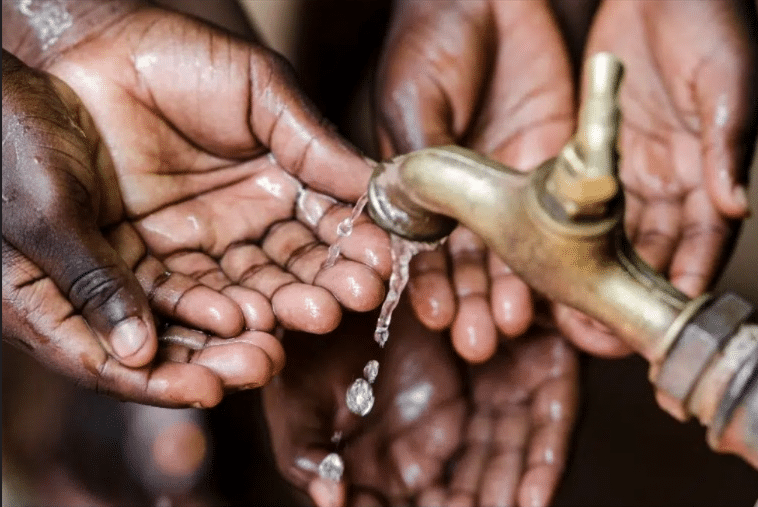
Donating water in Pakistan may seem like a simple act, but for millions of people, it can completely change daily life. In many rural areas, families still struggle to access clean and safe drinking water, often spending hours every day collecting it from distant or unsafe sources. Imagine waking up every day knowing that clean water isn’t available nearby and that your family depends on hours of walking just to survive. Why does this problem still exist, and how can a single donation make a real difference? Water scarcity in Pakistan is not just about availability. It affects health, education, and the ability of families to maintain a stable routine. When access to clean water is limited, entire communities are forced to adapt their lives around it. This is where even a small donation can create a ripple effect that changes an entire community’s future. This is where clean water charity efforts begin to create meaningful change. By supporting water donation in Pakistan, you are helping provide reliable access to safe water through solutions like hand pumps and water wells. Over time, this access improves daily life, reduces health risks, and allows families to focus on building a more stable future. How Does Water Donation in Pakistan Impact Communities? In many parts of Pakistan, water isn’t just scarce; it is a daily struggle for survival. Water donation Pakistan programs are mostly directed toward areas where daily life is already difficult because of water issues. These are often small villages or remote places where infrastructure is limited, and clean water isn’t something people can take for granted. In those situations, families usually don’t have many alternatives, so they depend on whatever source is available, even if it’s not safe. Rural water shortage Pakistan is not just a technical problem on paper. It shows up in real life in very direct ways. When water is hard to find, people end up spending a large part of their day just trying to collect enough for basic needs. Drinking, cooking, washing, all of it depends on water that may not even be clean. What seems like a basic necessity becomes a daily challenge that shapes an entire lifestyle. Clean drinking water projects Pakistan try to ease that pressure a bit. When water becomes more accessible, even if it’s just closer to home, the difference is noticeable. People don’t have to travel as far, and daily routines become slightly less stressful. It doesn’t fix everything overnight, but over time, things do start to feel more manageable. How Do Water Charity Projects Provide Clean Drinking Water in Pakistan? Safe water isn’t a luxury; it’s something every human deserves, yet many still don’t have it. Water projects in Pakistan usually focus on both access and safety, which are equally important. Just providing water isn’t enough if that water isn’t safe to drink. That’s why clean water efforts often include systems that aim to reduce contamination or provide more reliable sources. Safe drinking water access is something most people take for granted, but in many communities, it’s still a challenge. Drinking unsafe water can lead to health problems that could otherwise be avoided. Because of that, water charity projects often try to introduce solutions that reduce those risks as much as possible. When clean water becomes available, it doesn’t just improve health; it changes the future of entire families. Some of these projects are designed to support multiple families at once. Instead of helping just one household, they create a shared system for the whole area. That shared access tends to build a sense of stability within the community, and over time, people begin to depend on that system in their everyday lives. Why Are Hand Pump Projects Effective in Rural Pakistan? These systems are designed not just to help, but to last. Donate water hand pump Pakistan projects are quite common in areas where electricity is unreliable or not available at all. A hand pump is simple, but that’s exactly why it works well in rural environments. It doesn’t rely on anything complicated, which makes it easier for people to use and maintain. How Do Hand Pump Installations Improve Daily Life? Something as simple as a hand pump can completely transform daily life in a rural community. Hand pump installation charity efforts help bring water closer to where people actually live. In many rural areas, collecting water is not just a quick task. It can involve walking long distances, carrying heavy loads, and repeating that process multiple times a day. When a hand pump is installed nearby, that routine changes quite a bit. It may seem like a small improvement at first, but over time it makes a noticeable difference. People get some time back in their day, which can go toward work, school, or simply resting. There’s also something practical about hand pumps that makes them reliable. Since they don’t depend on electricity or complex systems, they tend to keep working in places where other systems might fail. That simplicity is often what makes them a good long-term solution in many communities. Some programs, such as Suqya Water Projects, focus on hand pump installations. How Do Water Pump Donations Create Long-Term Water Access? These systems are designed not just to help, but to last. Water pump donation Pakistan projects are often used when water is available underground but not easy to reach. In such cases, more advanced setups are needed to bring that water up in a consistent way. Some systems even use solar energy, which helps in areas where power is limited. That makes it possible to keep things running without depending too much on external support. Clean drinking water projects Pakistan that use these kinds of systems usually aim for long-term reliability. Instead of something temporary, the focus is on creating access that lasts and continues to serve people over time. Learn more about Suqya water projects: https://qubafoundation.org/our-projects/suqya-water-project/ How Can You Donate Water Online in Pakistan Easily? Making a difference doesn’t require being

Donate a water hand pump
Blog

What Happens After You Donate a Water Hand Pump in Pakistan

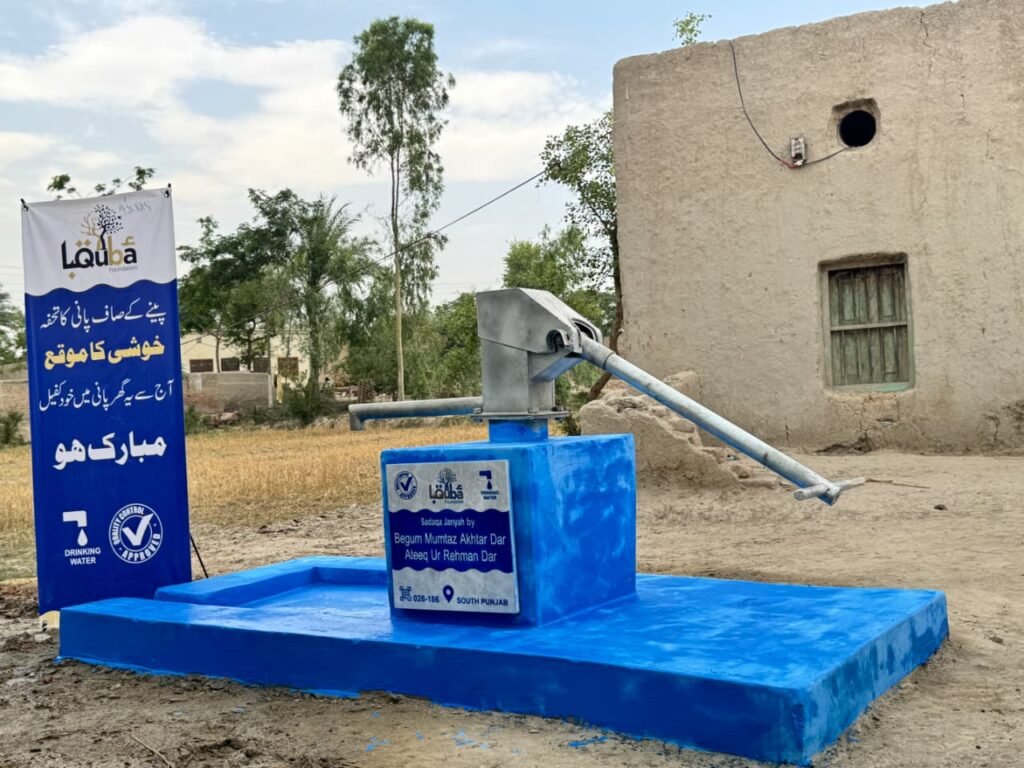
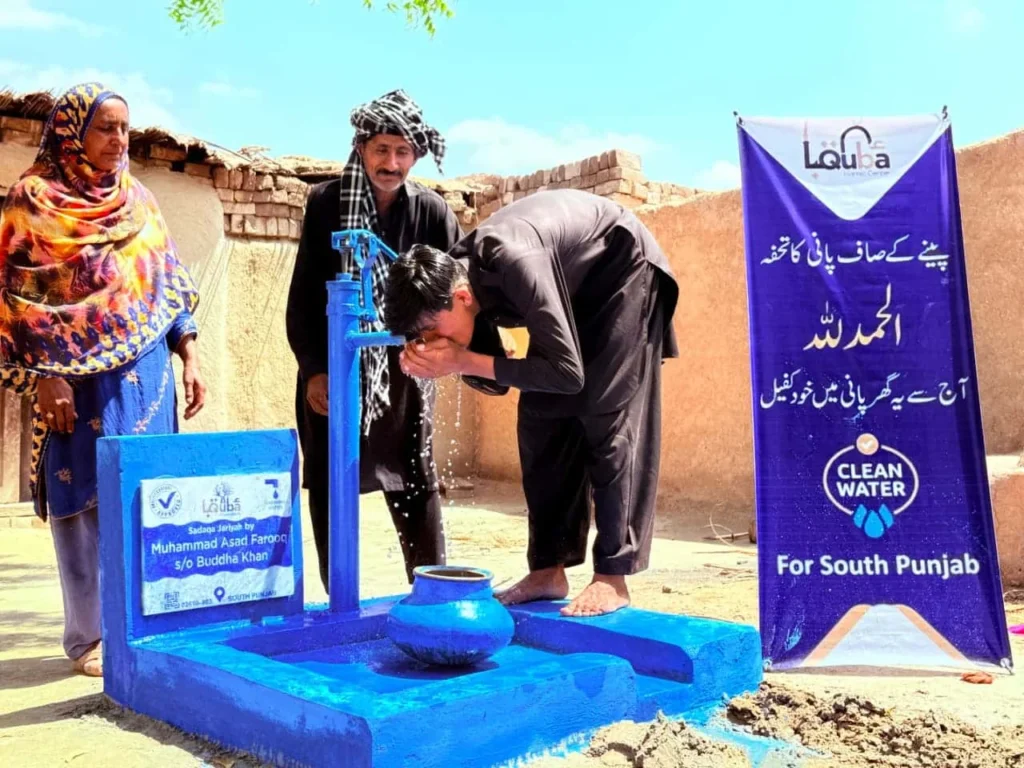
Millions of people in Pakistan still struggle with the water crisis. When you choose to donate water pump Pakistan or sponsor a water hand pump, your contribution creates an immediate and measurable impact. A water hand pump donation in Pakistan is a form of water charity that funds the installation of a deep-water pump in underserved rural communities. But what actually happens after your donation? The process follows a structured system of field surveys, technical planning, and installation managed by organizations like the Quba Foundation, ensuring that every donation becomes a functioning source of clean water. Understanding Water Poverty in Pakistan The water crisis in Pakistan is a heavy reality that traps millions in a cycle of illness and poverty. In provinces like Punjab and Sindh, families often have no choice but to drink from the same contaminated sources as their livestock. According to recent UNICEF and WHO reports, over 21 million people in Pakistan still lack access to a safe source within their community. This environment leads to more than 53,000 children under five dying annually from diarrhea and related waterborne infections. This water poverty in Pakistan means that when a child gets sick, parents lose their daily wages to pay for doctors. Supporting clean water projects in Pakistan is often the only way to snap this cycle for good. How the Suqya Water Project Handles Your Donation After a donation is made, the next question is simple: where does it actually go? Turning that money into a working hand pump on the ground takes several steps, especially in rural areas where conditions vary from village to village. The Suqya Water Project, managed by the Quba Foundation, handles this by moving each case through field surveys, technical checks, and on-site verification. Once a donation is logged, it is given a unique project code so its progress can be tracked from start to finish. Donation receipt and project assignment. Field survey and community engagement. Technical installation and water quality testing. Completion report delivery with GPS coordinates and photos. By choosing a clean water charity Pakistan trusts, you ensure that this process is handled with professional oversight and long-term care. Identifying Communities in Need Locations are carefully selected rather than chosen randomly on a map. Planning starts with a conversation under a village tree to understand the local struggle. Teams from the Quba Foundation head out to find water blind spots where the nearest well is miles away, or the ground is dangerously dry. Not every location qualifies immediately. Some villages require multiple survey visits before approval to ensure the project is truly sustainable. Some locations simply cannot support a standard hand pump and require more complex solar solutions instead. By identifying households led by widows or the elderly, we ensure your help reaches those who physically cannot carry heavy cans. This careful survey makes sure your gift lands exactly where it can save the most lives. Site Inspection and Planning Once a village is picked, technical work takes over to ensure the well does not run dry after a few months. Engineers test the groundwater for salt and arsenic to guarantee every drop is safe for a child to drink. They also check the depth of the local aquifer to make sure the pump can handle the brutal 45°C heat of a Pakistani summer. The location must be communal so everyone can reach it regardless of their social standing. This professional planning builds a foundation of trust that lasts for years. All Suqya Water Project installations are verified through field reports, GPS tagging, and photographic documentation to ensure complete transparency for donors. Quality Control and Field Verification Standards To maintain high standards, each project undergoes a rigorous quality check before it is handed over to the community. We do not just drill a hole and leave. A field verification officer must sign off on the pump pressure, the integrity of the concrete base, and the overall drainage of the site. This quality control process ensures that the 45,000 PKR to 95,000 PKR invested by our donors is used on materials that will stand up to years of heavy daily use. Installation of the Water Hand Pump This is where the physical change begins to take shape on the ground. Installing a water hand pump through a charity project in Pakistan is a noisy and incredible operation that brings the whole village out to watch. Deep drilling rigs grind through rock to reach clean water hidden far below the contaminated surface layers. Depending on the region, we drill between 60 to 100 meters to reach a steady source. Once the drilling hits the right depth, high-quality pipes go down, and the heavy duty cast iron pump is bolted to a reinforced concrete base. We built a concrete apron around it to keep the area dry and hygienic. Before the team leaves, they pump the handle until the flow is crystal clear. This technical execution is what separates a temporary fix from a permanent solution. Immediate Impact of Your Donation The moment the handle moves and the first gush of water hits the concrete, the village erupts in cheers. It is a moment of pure joy that marks the end of a long era of thirst for families who had been forgotten. Clean water transforms what a normal morning feels like. The impact of your water donation is visible instantly in the eyes of the children who realize their long walks in the sun are over. A mother can now cook and clean without the constant fear of making her baby sick from dirty water. It is a major turning point for a community that has finally received a basic human right. Long-Term Benefits of a Water Hand Pump Health improvement:  Diseases like diarrhea drop significantly when the water is filtered and clean. Time saving: Families gain back hours every day that were previously wasted on long treks. Women’s empowerment: They are freed from the physical burden of carrying water to focus on their homes. Children’s

Laylat ul qadr
Blog

Laylat-ul-Qadr Charity 2026 One Donation Endless Rewards

Ramadan moves quickly, and before we know it, the moon begins to fade, and the air fills with a different kind of energy. This is the time for the final ten nights, and for every believer, the focus shifts toward the search for that one special night that can change everything. Laylat ul Qadr Charity 2026 is not just another donation drive but a spiritual opportunity that connects our worldly wealth with eternal rewards. When you give to Laylat ul Qadr Charity 2026, you are reaching out through the darkness of the night to touch the lives of people you may never meet. It is a moment of deep connection with the Creator where your wealth becomes a tool for mercy. Participating in these sacred nights ensures that your name is written among those who spent the Night of Power in the service of others. The beauty of this night lies in its mystery. We do not know exactly which night it is, and that is precisely the point. It forces us to be consistent and to show up every night with a heart that is open and ready. By making a plan for your giving, you can rest easy knowing that your contribution reached its destination on the most blessed night of the year. What Is Laylat ul Qadr and Why Is It Important It is hard to wrap the human mind around the scale of this night. The Prophet PBUH said, ‘Whoever prays on this night with faith and hope. Sahih Bukhari . This is the night that the Quran first touched the earth through the Prophet Muhammad, PBUH. Imagine the silence of the cave of Hira and the weight of that first revelation. This is what we are celebrating and honoring. The Quran tells us clearly that this night is better than a thousand months. Think about that for a second. That is over eighty-three years of your life. Most of us will not even live that long. Yet in just a few hours between sunset and dawn, you can earn the reward of a lifetime of worship. This is why we call it a divine shortcut. It is a gift of pure mercy for an Ummah that has shorter lives but bigger ambitions for the hereafter. When you make a Laylat ul Qadr donation 2026, you are tapping into this infinite multiplication. Every letter of the Quran you read, and every coin you give, is recorded by the angels who are descending in ranks to fill the earth. The sky is crowded with light on this night. It is a time when the decree for your life is set for the coming year, and what better way to influence that decree than by showing Allah your generosity? Surah al Qadr defines this for us in beautiful words. Indeed, we sent the Quran down during the Night of Decree. And what can make you know what the Night of Decree is? The Night of Decree is better than a thousand months. The angels and the Spirit descend therein by permission of their Lord for every matter. Peace it is until the emergence of dawn. This peace is what we feel in our hearts when we stand in prayer and when we reach out to help those who are suffering. Why Charity on Laylat ul Qadr Brings Greater Rewards Prayer is beautiful, and fasting is a shield, but charity is a living proof of your faith. Giving charity on Laylat-ul-Qadr is considered one of the most powerful acts of generosity in Islam because it turns your spiritual energy into physical relief for the world. The Prophet PBUH was a man of immense generosity, but during these final nights, he was like a wind that blew away the worries of the poor. He did not hold back, and neither should we. The multiplication effect is what draws people to give during this time. If you donate on Laylat ul Qadr, you are essentially giving for eighty-three years straight. If you give ten dollars, it is like you gave three hundred thousand dollars. This is not just math but the barakah of Allah. It is an opportunity to clean your wealth from any mistakes you made during the year. We also give because we are seeking protection. Life is unpredictable, and we never know what the next year will bring. By giving your Ramadan charity donation on this night, you are building a barrier between yourself and the trials of life. It is an investment in your safety and the safety of your family. When you give to the poor, you are actually helping yourself more than you are helping them. Allah tells us in Surah ad-Dukhan that this is a blessed night where every precise matter is made distinct. This includes our sustenance and our health. When you choose to be a source of ease for others, Allah becomes a source of ease for you. The smile of a hungry person who receives your help is a heavy weight on your scales on a night when every deed is amplified by the thousands. Understanding Sadaqah Jariyah in Islam There is a specific kind of giving that outlives the giver. This is Sadaqah Jariyah, or continuous charity. While a simple meal is a great deed, its benefit ends when the hunger returns. However, a Sadaqah Jariyah Laylat-ul-Qadr project is different. It is like a spring that never runs dry. It keeps giving and giving, long after you are gone from this world. The Prophet PBUH taught us that after we die, our deeds stop except for three things. One of those is a continuous charity. Imagine being in your grave and still receiving rewards because someone somewhere is drinking clean water from a well you built. This is the ultimate legacy. It is a way to stay connected to the world of the living through the goodness of your actions. Starting a project during the Night of Power is a

top 10 water charities
Blog

Top Water Charities in Pakistan: A Guide to Sustainable Solutions

The search for safe drinking water in Pakistan is a journey that reveals the stark reality of geographical and economic disparity. From the coastal belts of Sindh to the remote villages of South Punjab, the struggle for a reliable glass of water is a daily burden for millions. While many organizations work in this space, the true leaders are those that prioritize long-term community-owned infrastructure. When looking for the top water charities in Pakistan, it is vital to focus on those that avoid temporary fixes in favor of heavy-duty solar-powered systems that can withstand the test of time. Many clean water NGOs in Pakistan are now focusing on sustainable infrastructure that can support entire communities for years. Clean water acts as the literal foundation for a functioning society. Without it, health is always at risk, and the economy of a village can never truly move forward. When a community gains access to a professional water station, the changes are visible within weeks. Waterborne diseases like cholera and typhoid begin to vanish. Mothers who spent their entire mornings walking miles to fetch water from muddy ponds suddenly have their time back. This time is almost always reinvested into the home or small local businesses. Many charity water projects Pakistan communities depend on are designed to provide reliable and safe drinking water in areas where traditional water sources are no longer dependable. Supporting a water charity is effectively a direct investment in the dignity and future of a whole community. Top 10 Well-Known Water NGOs in Pakistan Quba Foundation WaterAid Alkhidmat Foundation Pakistan Islamic Relief Pakistan Muslim Hands Pakistan Human Appeal Pakistan Helping Hand for Relief and Development Paani Project Transparent Hands Foundation Akhuwat Foundation Why Clean Water NGOs in Pakistan are Critical The water crisis is far more layered than just a lack of rainfall. It is a combination of climate change, falling water tables, and a lack of modern infrastructure in rural areas. In many regions, the groundwater is there but it is physically unsafe. It might be too salty, or it might be contaminated with minerals like arsenic. This is why clean water NGOs in Pakistan are so essential. They provide the technical expertise and the heavy machinery that local communities cannot access on their own. Many water aid organizations in Pakistan work closely with local communities to design sustainable systems that ensure long term access to safe drinking water. These organizations move into areas where traditional services have never existed. By implementing deep well boring and submersible pumps, they ensure the water is coming from safe aquifers deep beneath the surface. This level of engineering is what prevents a project from failing after a few months of use. A shallow well might be cheaper to build, but it is often a dangerous shortcut that pulls up contaminated water. Truly effective NGOs understand that quality and depth are the only ways to save lives through reliable clean drinking water projects in rural regions. Best Water Charities in Pakistan: Moving Toward Sustainable Infrastructure The best water charities in Pakistan have evolved their methods over decades. They have learned that a simple hand pump is no longer enough for a large village with a growing population. These pumps are physically demanding and can only serve a few people at a time, which is why high-capacity community water stations are now the modern standard. These best water charities in Pakistan focus on long-term, sustainable solutions rather than temporary fixes, ensuring communities benefit for years to come. By drilling to depths of 300 feet or more, these charity water projects in Pakistan reach water that has been naturally filtered by the earth for centuries. Many villages in South Punjab and Sindh benefit from these hand pumps, providing reliable water to entire communities. The water is usually clean and free from pathogens found in shallow, stagnant sources. Pairing these deep wells with solar power makes the system fully sustainable without relying on fuel or an unreliable electricity grid. This shift toward durable and renewable infrastructure demonstrates the critical role of clean water NGOs in Pakistan and shows how modern clean water initiatives Pakistan are improving lives in remote communities. Top Water Charity Organizations in Pakistan Transparency and a proven track record are the hallmarks of a trustworthy organization. Several groups have stood out for their ability to manage complex engineering projects and ensure every donor rupee is spent with precision. These water charity organizations Pakistan has come to rely on are at the forefront of the battle for national water security. Quba Foundation Projects Quba Foundation has established itself as a leader by focusing on large-scale community impact. They do not believe in small fixes that break easily. Their projects are designed to be permanent hubs for entire neighborhoods. They specialize in deep well boring and solarization, which ensures that the water flows consistently regardless of the power situation. These water charity organizations Pakistan are recognized for combining technical expertise with sustainable practices. Donate Now Diverse Charity Water Projects in Pakistan Every region of the country has a different geological makeup, which means a one-size-fits-all solution does not work. The charity water projects Pakistan communities receive are highly specialized to meet unique local needs. These projects are customized for regions like Khyber Pakhtunkhwa, Punjab, and Sindh to ensure maximum effectiveness and sustainability. Solar Pumps for Villages In the sun-drenched plains of interior Sindh and Punjab, solar power is the most effective tool available. These projects use high-quality solar panels to drive a motor that pulls water into an elevated storage tank. This system is a complete game changer for rural women and the elderly. Instead of the physical strain of manual pumping, they simply turn a tap, demonstrating the critical role of clean water NGOs in Pakistan in implementing modern and sustainable water solutions. Community Filtration Plants In areas where the water is available but poisoned by industrial chemicals or high levels of salt, filtration plants are the only path forward. These plants are sophisticated engineering

Blog

How NGOs Are Solving the Water Crisis in Pakistan

The water crisis in Pakistan has shifted from a looming threat to an immediate national emergency that requires urgent intervention. With groundwater levels plummeting and traditional sources becoming increasingly contaminated, the role of humanitarian organizations has become a lifeline for millions. Today, many NGOs solving the water crisis in Pakistan are moving beyond temporary fixes and implementing long-term infrastructure projects that address both scarcity and safety. By integrating advanced technology like solar power and heavy-duty filtration, these NGOs addressing the water crisis in Pakistan are transforming how vulnerable communities access this essential resource. Groups like the Quba Foundation, Alkhidmat, and the Paani Project are leading this change by building a future where safe water is a right, not a privilege. Why Clean Water NGOs in Pakistan Are Upgrading Hand Pumps For a long time, the standard fix for a thirsty village was a basic hand pump. You see them everywhere, but half of them are rusted or dry. The reality is that the water table in places like South Punjab and Interior Sindh has dropped so low that these shallow wells simply can’t reach it anymore. These clean water NGOs in Pakistan are drilling down 80 to 100 meters to access aquifers that are still full and uncontaminated. ​By using solar power, these stations can pump water all day without costing the village a single rupee in electricity bills. It is a massive change. Instead of a child spending their whole morning pumping a handle for one bucket, a solar tap provides a steady flow for the whole neighborhood. This shift toward automation is how clean water NGOs in Pakistan are keeping up with the demand in a country where the sun is always shining but the power grid is unreliable. How Water Aid Organizations in Pakistan Are Improving Access in Rural Areas If you head out to the dry stretches of Tharparkar or rural Balochistan, you’ll see women walking for miles under a brutal sun. They are often carrying heavy clay pots filled with water that is muddy or warm. Water aid organizations in Pakistan are working to end this daily struggle by bringing the water source directly into the heart of these settlements. By building communal reservoirs and central distribution points, they are effectively giving hours of life back to these families. ​When a village gets its own permanent water station, you see an immediate jump in school attendance for young girls. They aren’t stuck assisting with water collection anymore. Water aid organizations in Pakistan are proving that a well is more than just a pipe in the ground; it is a tool for education and social dignity in places that have been ignored for far too long. Breaking the Failure Cycle Through Clean Water Initiatives in Pakistan We have all seen it – a charity well that breaks after a few months because no one in the village knew how to fix a loose bolt. Modern clean water initiatives Pakistan are stopping that cycle of waste by making the community the actual owners of the project. Instead of just dropping off equipment and leaving, these clean water initiatives Pakistan train residents to be the mechanics. ​They form committees that look after the solar panels and keep the taps clean. This means if a pipe leaks, it gets fixed the same day. This sustainable model ensures that a donation actually lasts for fifteen or twenty years instead of just one season. It turns a one-time gift into a permanent asset that the village is proud to protect. The Impact of NGOs Helping Rural Communities in Pakistan The numbers on waterborne illness in Pakistan are tough to read, but there is genuine hope in the new data coming from the field. The work done by NGOs helping rural communities Pakistan is saving lives simply by keeping contaminants out of the drinking supply. By setting up these filtration plants, they are acting as a first line of defense for the local hospitals. ​When a community gets a clean tap, the local clinics usually report a massive drop in diarrhea and typhoid cases almost overnight. They are helping communities save lives while allowing parents to stay at work and kids to grow up without the constant threat of preventable infections. Transparency in Charity Water Projects in Pakistan For many people sending money from abroad, supporting charity water projects Pakistan is a way to give back to their roots. It is often a form of Sadaqah Jariyah—a charity that keeps on giving. The idea is simple: as long as the water flows, the reward continues for the donor. Groups make this easy by showing exactly where the money goes. ​These charity water projects Pakistan provide donors with photos and GPS markers, so they can see the very tap their money funded. This transparency is why the Pakistani diaspora keeps trusting these groups year after year. They can see the impact in the smiles of the people getting a fresh glass of water for the first time in their lives. Check now Future-Proofing with NGOs Providing Clean Drinking Water in Pakistan Climate change is making everything harder for the region. Rainfall is unpredictable and the heatwaves are getting worse, which means the role of NGOs providing clean drinking water Pakistan is only getting more vital. They aren’t just digging wells anymore; they are looking at how to save rainwater and recharge the earth. By thinking ahead, NGOs providing clean drinking water in Pakistan are helping villages prepare for the next big drought. Without that kind of planning, many villages could face serious water shortages in the next decade. Solving Urban Water Challenges with Water Charity Organizations in Pakistan It isn’t just the villages that are thirsty. Cities like Karachi are struggling with a “water mafia” and pipes that are decades old. In these spots, water charity organizations in Pakistan are stepping in to fix the leaks and set up filtration points in the slums. These water charity organizations Pakistan are often the only

Blog

The Water Crisis in Pakistan: The Approaching Silence

For decades, the sound of the Indus River was the heartbeat of this nation. It was the background noise to our daily lives and the literal foundation of our existence. But today that heartbeat is skipping beats, and the reality of the water crisis in Pakistan has become an unavoidable emergency for every single citizen. We are a country birthed by our rivers, yet we are staring down a future where those very veins might run dry. This water crisis in Pakistan is not some far-off prophecy buried in a research paper; it is the lived struggle for 250 million people who wake up every morning wondering if their taps will turn on or if the water they find is even safe to touch. As we move through March 2026, the situation has shifted from a concern to a full-blown national disaster. We have moved from being water-stressed to water-scarce with terrifying speed, leaving our farms, our economy, and our health hanging by a thread. The Reality of Water Scarcity in Pakistan To really grasp the Pakistan water scarcity problem, you have to look at the math of survival. And let me tell you, the math is ugly. Back in 1951, right after independence, every person in Pakistan had access to about 5000 cubic meters of water. Today that number has crashed. We are looking at roughly 899 cubic meters per person. When you drop under 1000, the world officially calls you a water-scarce nation. This is not just because of a bad monsoon or a dry summer. This is a total collapse of the system. Most countries can handle a dry spell, but our economy is literally built on water. Agriculture uses up 93 percent of our freshwater. It makes up a huge chunk of our GDP. So when the water stops, the money stops too. Pakistan is now ranked as one of the most water-stressed places on the planet. We are in the same league as desert countries that do not even have big rivers like the Indus. Read more: Water Scarcity in Pakistan Understanding the Per Capita Decline The decline in water availability is not just a statistic; it represents the shrinking lifeline of every Pakistani citizen. As our population has exploded, our water infrastructure has remained frozen in time. We are trying to feed a growing giant with the same resources that once sufficed for a child. This gap between supply and demand lies at the heart of the Pakistan water scarcity problem. It impacts how much food we can grow, how much electricity we can generate, and ultimately how long we can sustain a functional economy. Pakistan Water Crisis Statistics: A Snapshot The Pakistan water crisis statistics tell a story of neglect and highlight the growing water shortage in Pakistan. Per capita availability has dropped from 5260 cubic meters in 1951 to about 899 cubic meters in 2026. Our population has hit nearly 250 million while the water supply has stayed exactly where it was decades ago. We can only store water for about 30 days. Most other countries store enough for 120 days. This lack of storage is costing us over 3.4 billion dollars in crops every single year. The demand for water is growing by 8 percent every year, while the supply is actually shrinking. Crossing the Scarcity Threshold in 2026 Crossing that 1000 cubic meter line was a wake-up call that many chose to ignore. Now at 899 cubic meters, we are in uncharted territory. This alarming drop illustrates the intensifying water shortage in Pakistan and the broader Pakistan water scarcity problem. This level of scarcity means that there is not enough water to maintain current living standards and agricultural output simultaneously. We are being forced to choose between drinking water and irrigation water, and that is a choice no nation should ever have to make. Unpacking the Causes of Water Crisis in Pakistan How does a country with the biggest glaciers in the world end up thirsty? The causes of water crisis in Pakistan are a messy mix of environmental changes and people just not doing their jobs properly. We have the “Third Pole” in our backyard. Those are the massive glaciers in the north that feed the Indus. But the world is getting hotter, and those glaciers are melting way too fast. In the short term, this gives us those scary floods like the one in 2022. But in the long run, once that ice is gone, the rivers will just be a trickle. We are spending our inheritance today and leaving our kids with nothing but a bill. The Melting Third Pole and Climate Change The glaciers in the northern regions are the water towers of Pakistan. As global temperatures rise, these towers are being dismantled. The seasonal rhythm of snowmelt that used to provide a steady flow is now erratic. We get too much water all at once, leading to floods that destroy our dams, and then nothing for the rest of the year. This climate volatility is one of the primary causes of the water crisis in Pakistan, and it is a challenge that we are currently ill-equipped to handle. Antiquated Irrigation Practices and Agricultural Waste Then you have the way we farm. Even though we are desperate for water, we are incredibly wasteful. Most of our farmers are still using flood irrigation. That basically means they just drown the whole field. About 60 percent of that water never even reaches a plant; it just leaks out or evaporates. And because the big landowners do not really have to pay for the water they use, they have no reason to fix their pipes or use better tools. This inefficiency is a massive drain on our national reserves. Rapid Population Growth and Urban Demand More people, same water. It is a simple and brutal equation. With the population growing at over 2 percent, our cities are just exploding. We are sucking our underground water dry faster than

Scroll to Top